Chaltteok (찰떡)
Korea
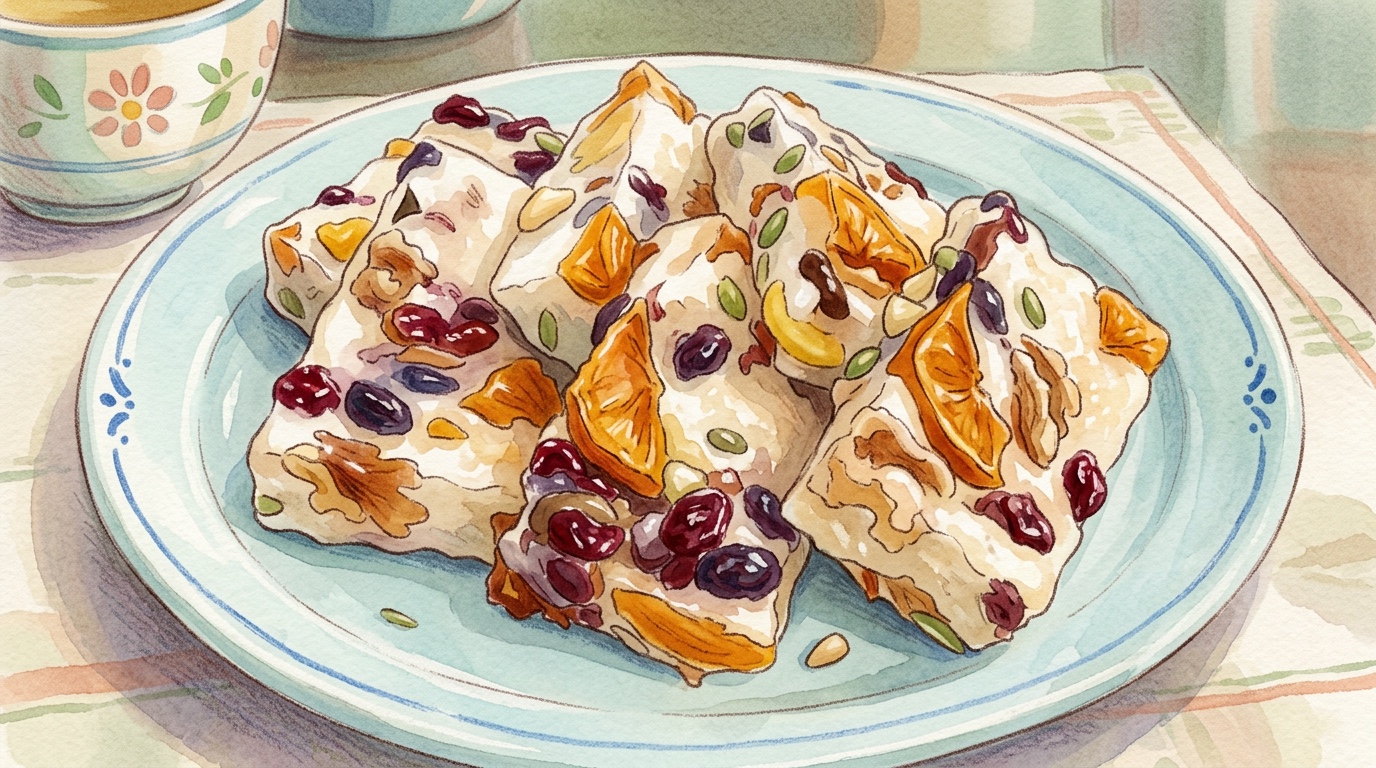
Korean cake made from sweet rice flour with added black soybeans, dried jujubes, nuts and pumpkin. Served steamed, soft and fragrant, suitable for healthy eating.
Ingredients
- 200 g black soybeans
- 12 pcs dried jujubes
- 50 g dry pumpkin pieces
- 10 pcs chestnuts
- 60 g walnuts
- 600 g sweet rice flour
- 3 tbsp sugar
- 80 ml almond milk
- 2 tbsp water (for dough)
Steps
-
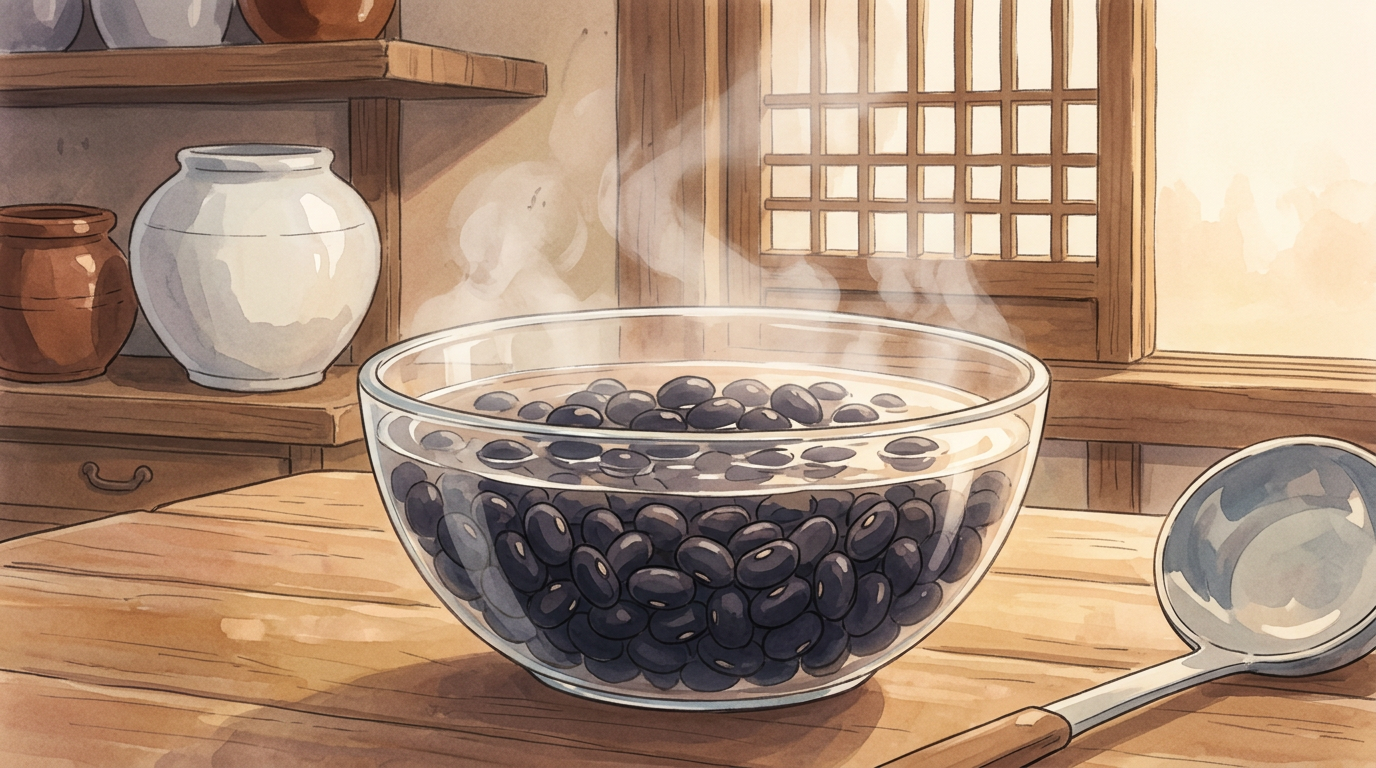
Soak the black soybeans in warm water for several hours.
-
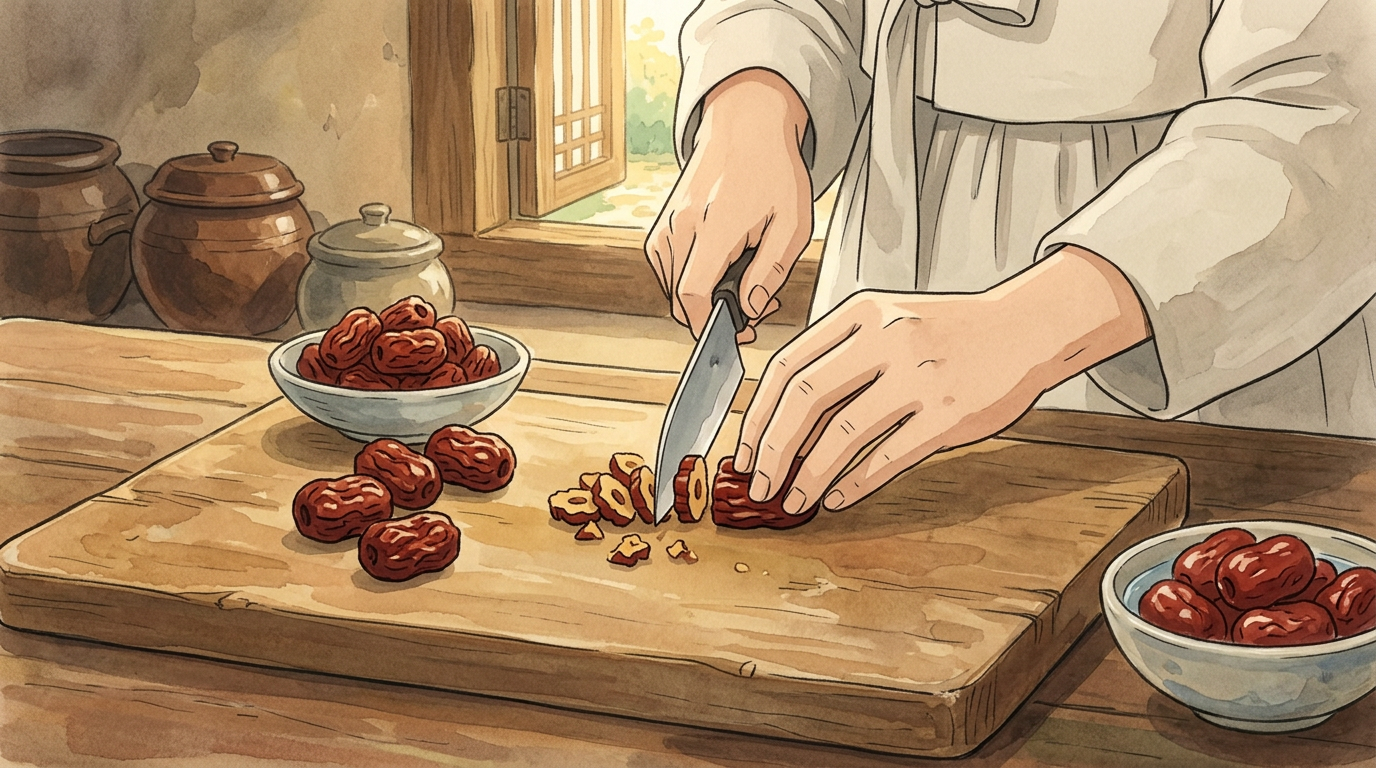
Rinse the dried jujubes and cut each fruit into 3‑4 pieces.
-
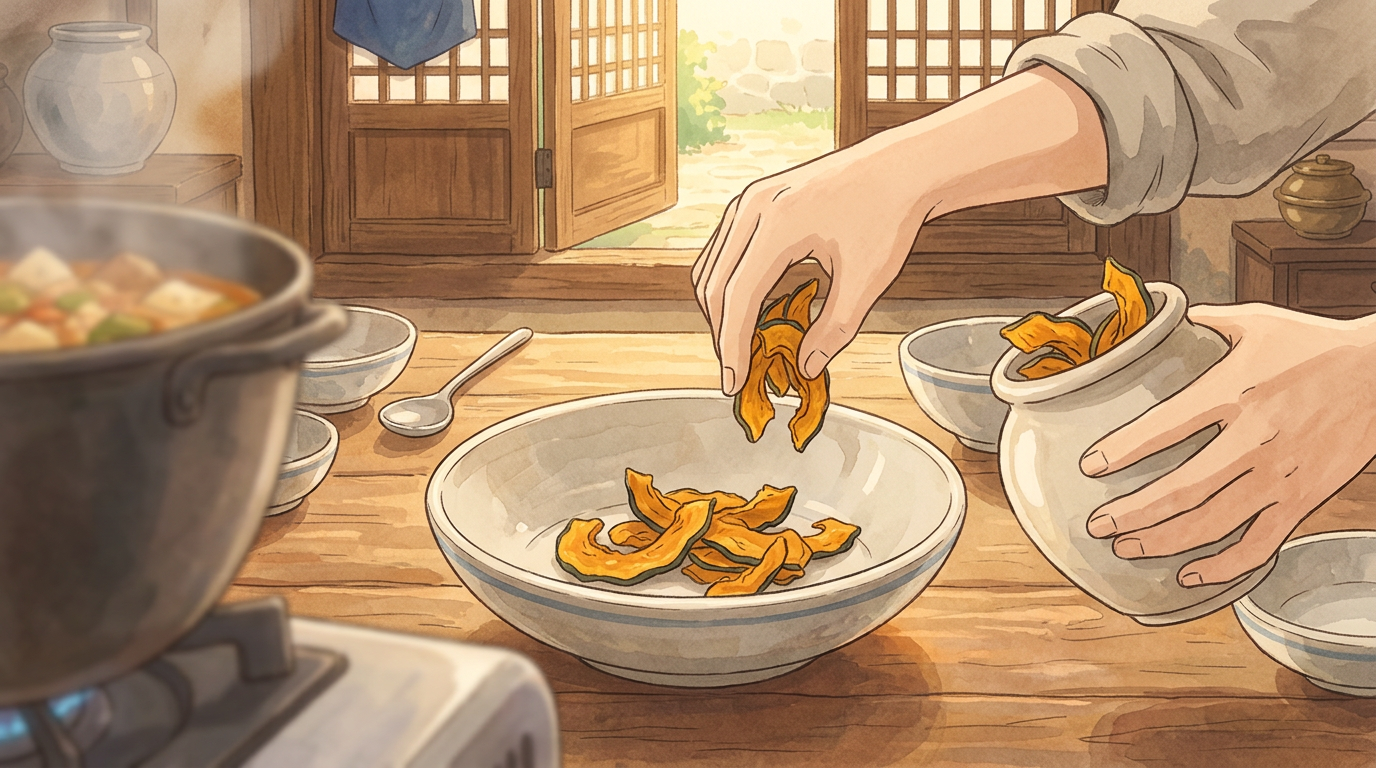
Rinse the dry pumpkin pieces and soften them, adding 1‑2 tbsp of water until they become tender.
-
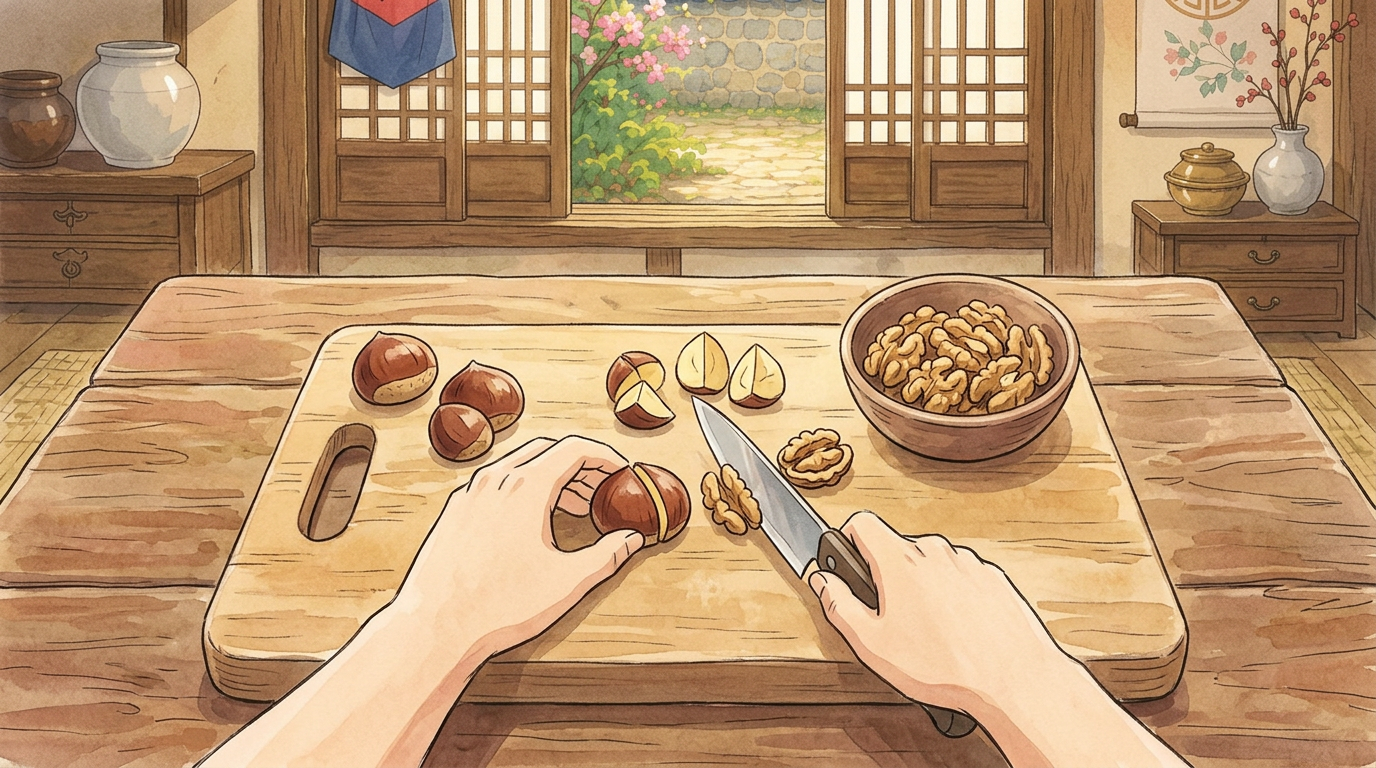
Prepare the nuts: cut the chestnuts and walnuts into quarters.
-
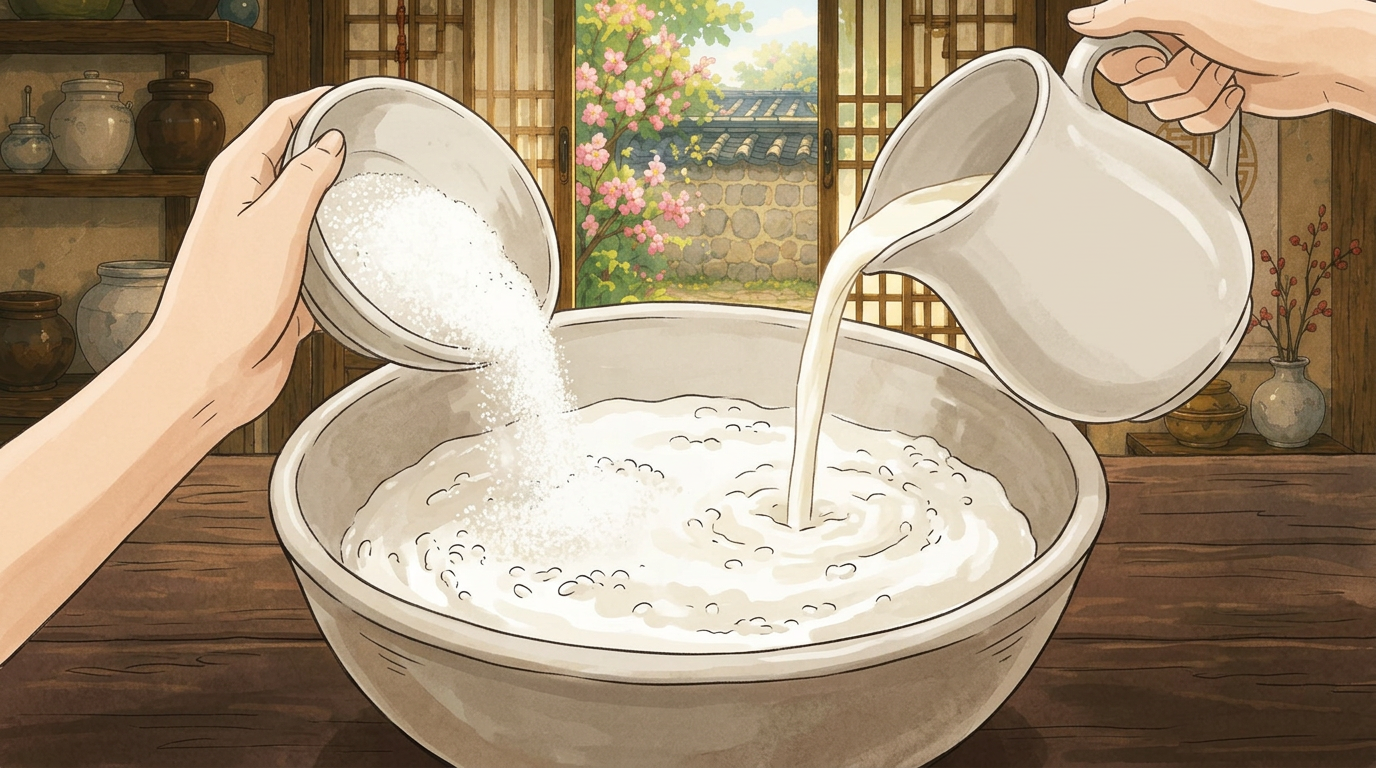
In a large bowl combine sweet rice flour, sugar and, if desired, almond milk. Mix thoroughly until homogeneous.
-
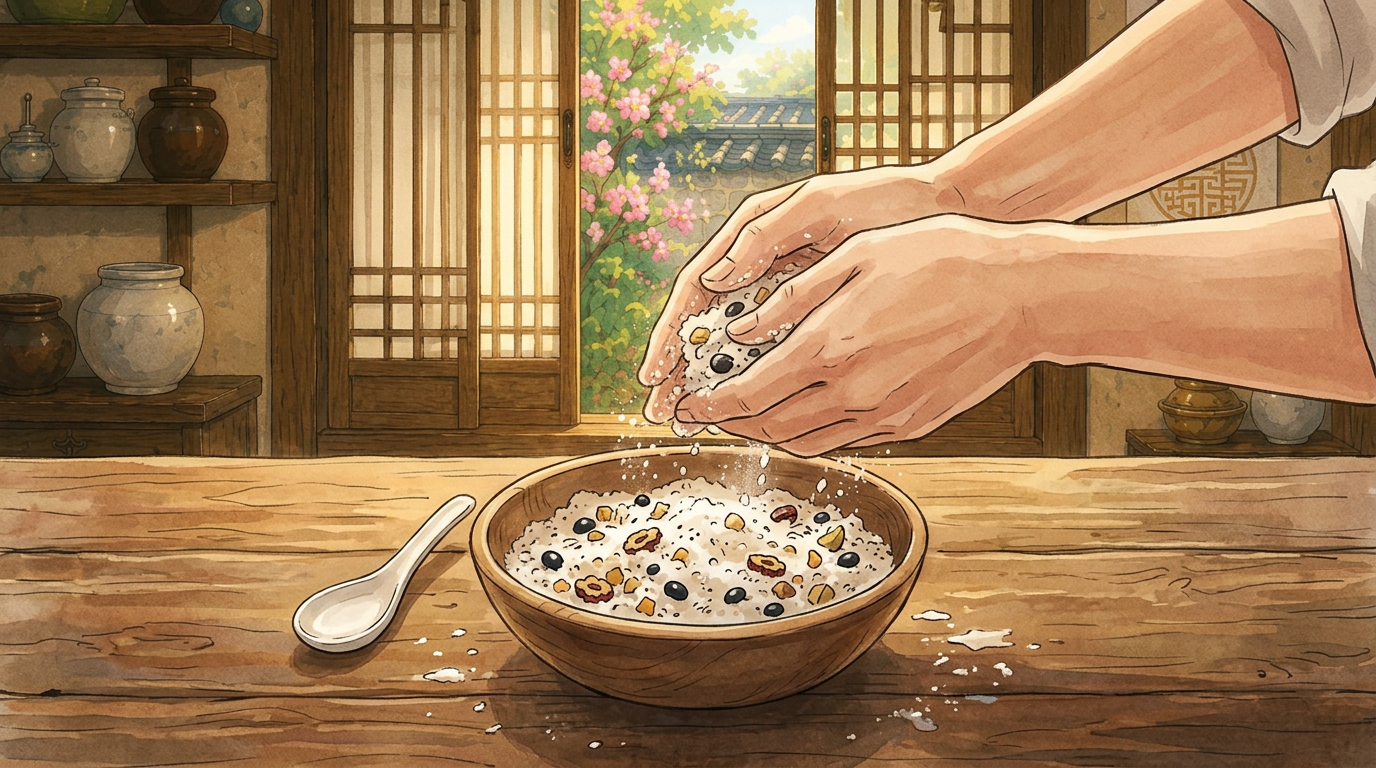
Add 2 tbsp water and knead the mixture between your palms, breaking up large lumps.
-
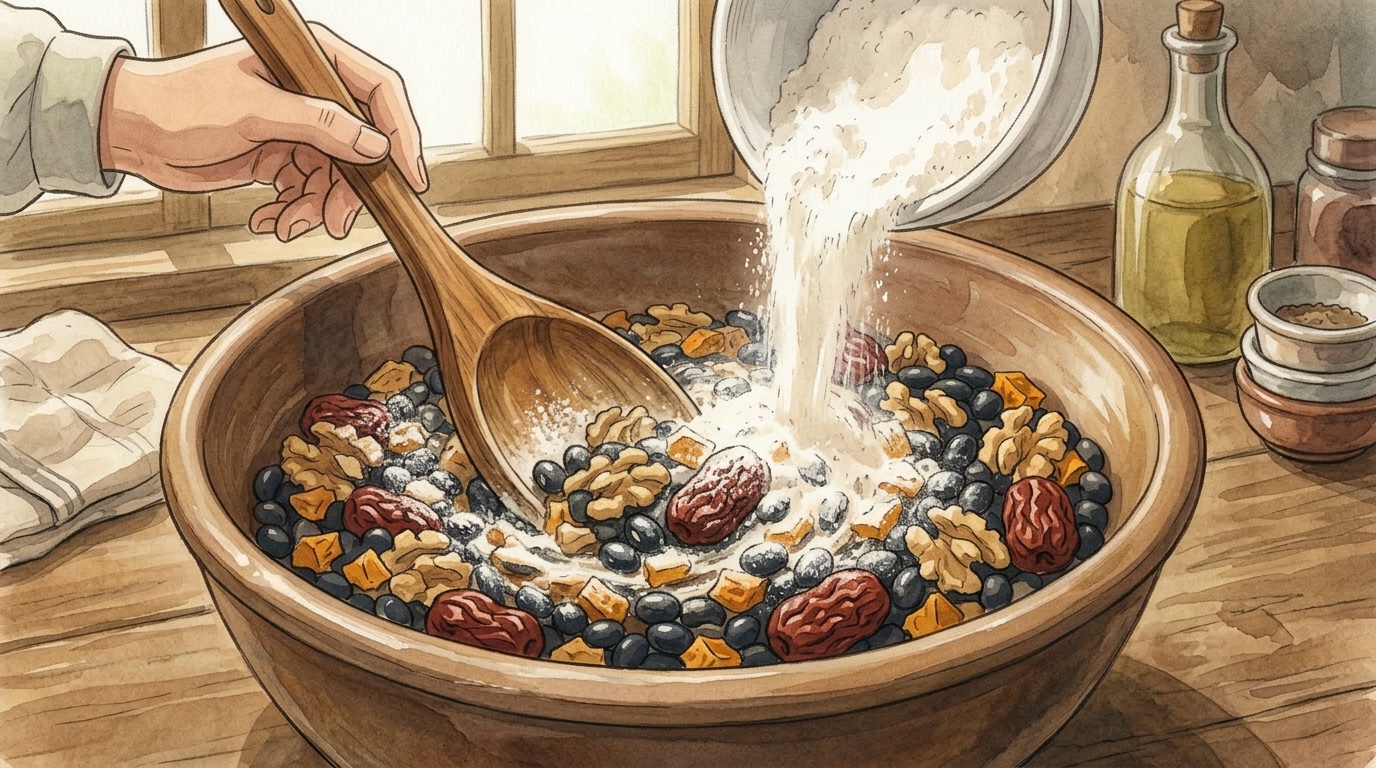
Stir in the prepared beans, jujubes, pumpkin, chestnuts and walnuts, mixing gently until fully combined.
-
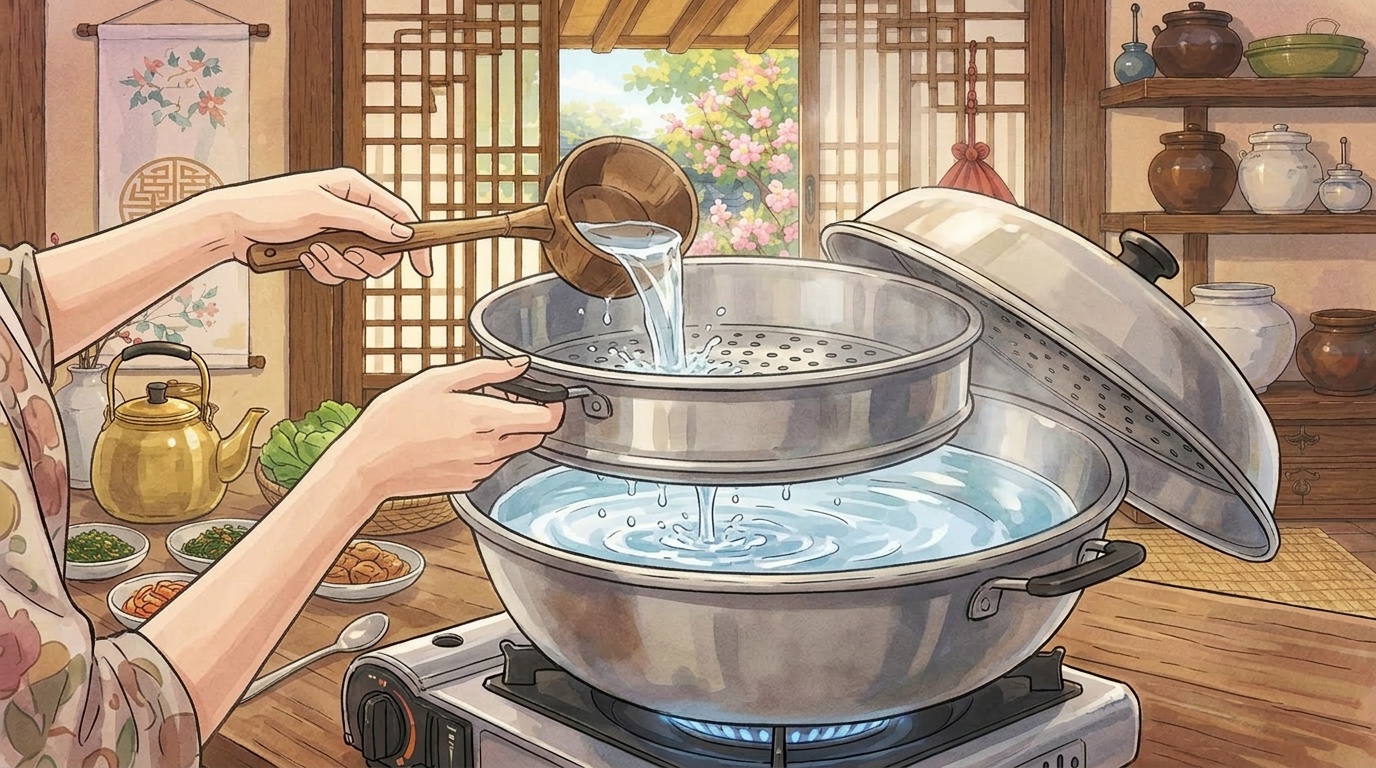
Pour water into the steamer, filling it to about two‑thirds of its capacity.
-
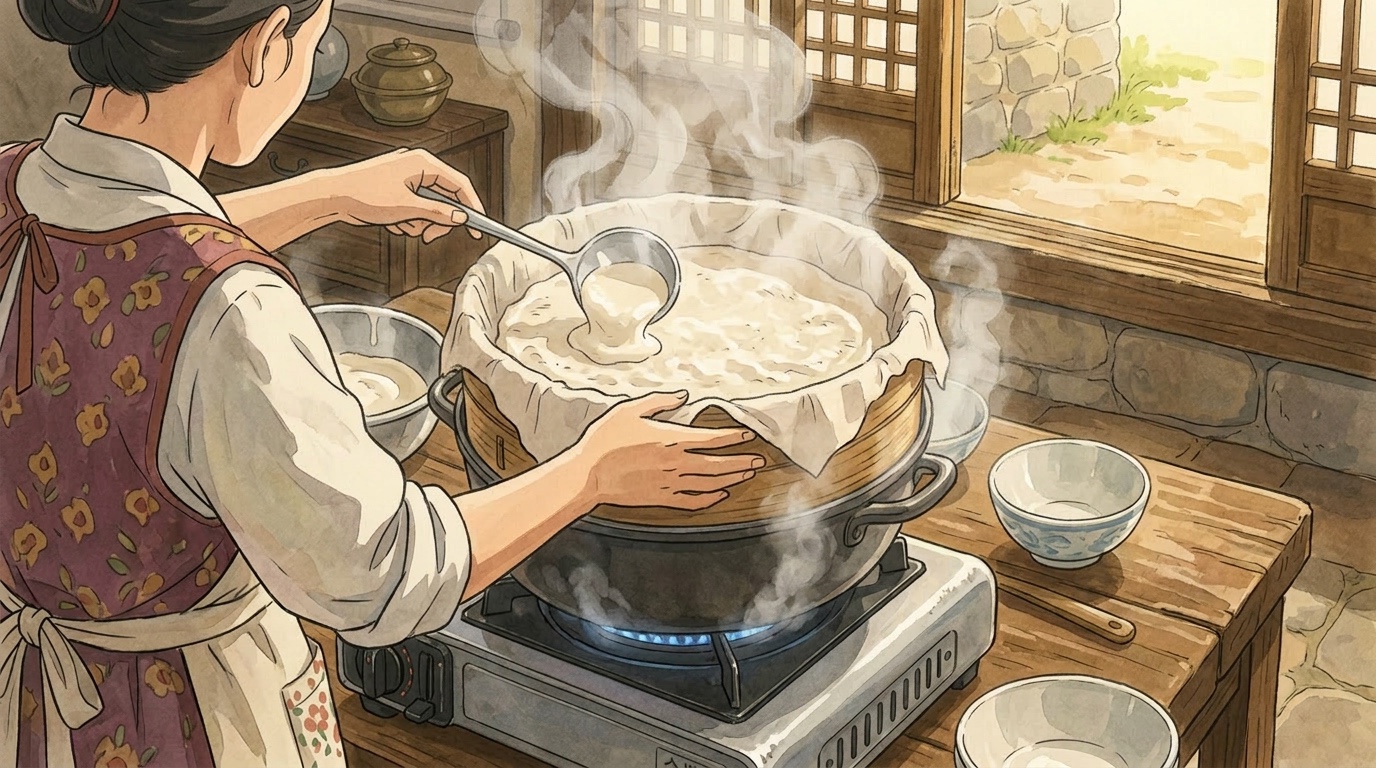
Line the steamer basket with cloth or cheesecloth, heat the steamer; when steam appears, spoon the dough into the basket, smooth the surface, and if needed cover with an additional layer of cloth.
-
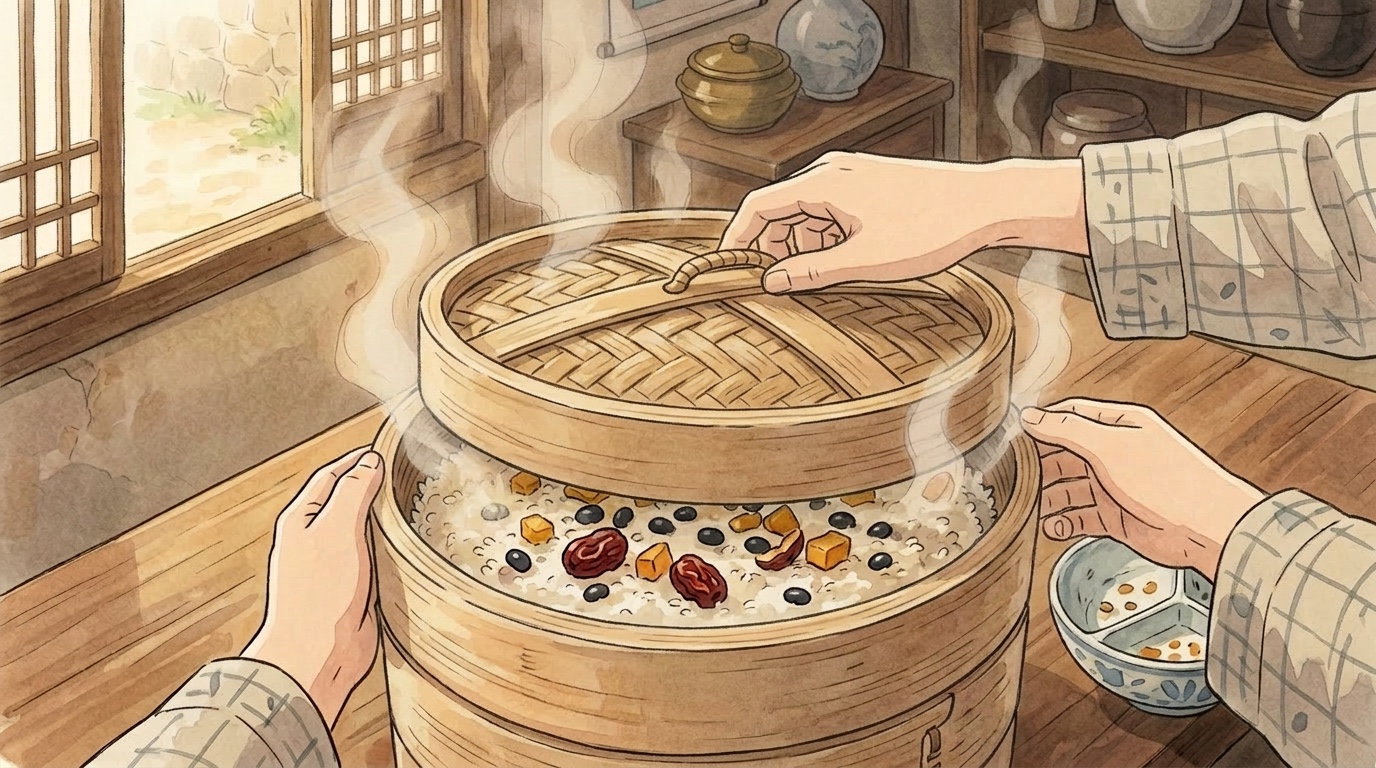
Steam for 30 minutes.
-
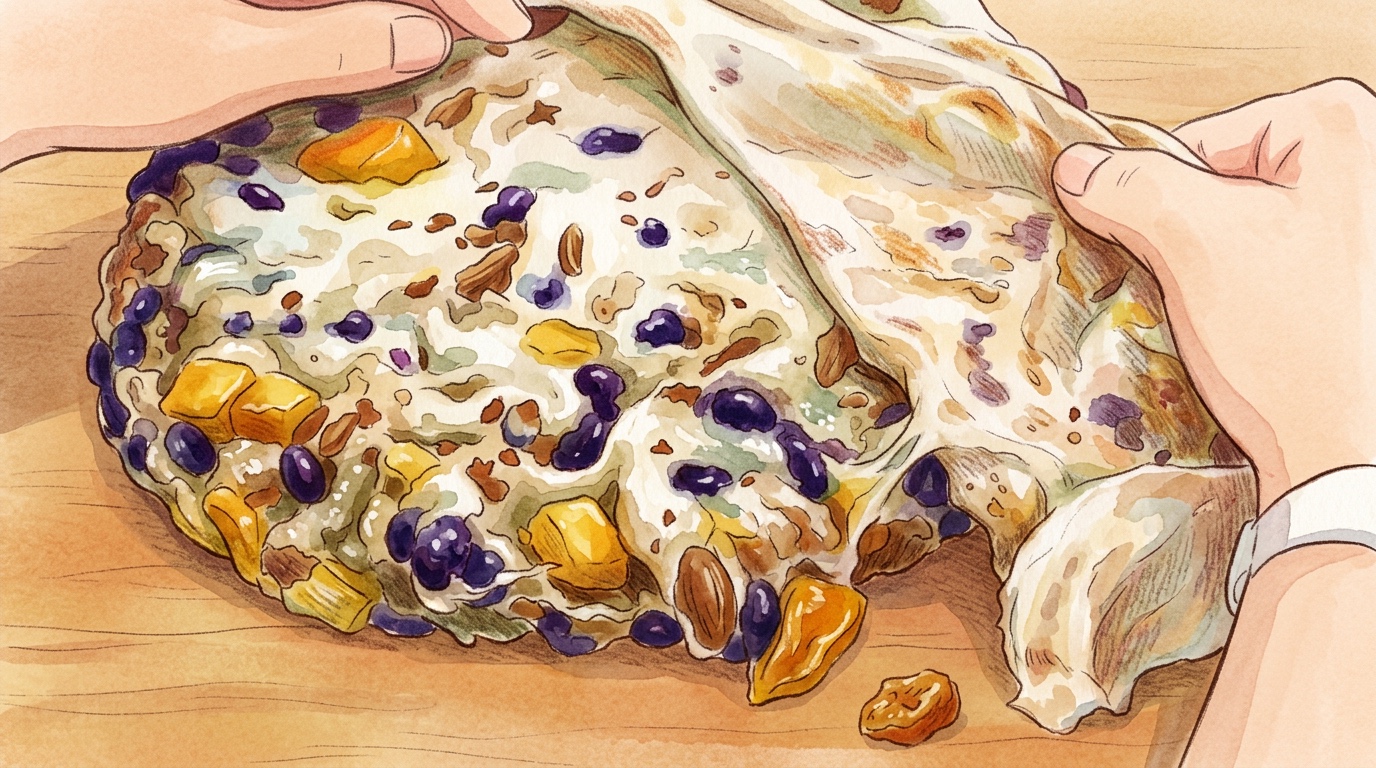
Remove the basket from heat, let the cake cool slightly, then turn it onto a cutting board, removing the cloth.
-
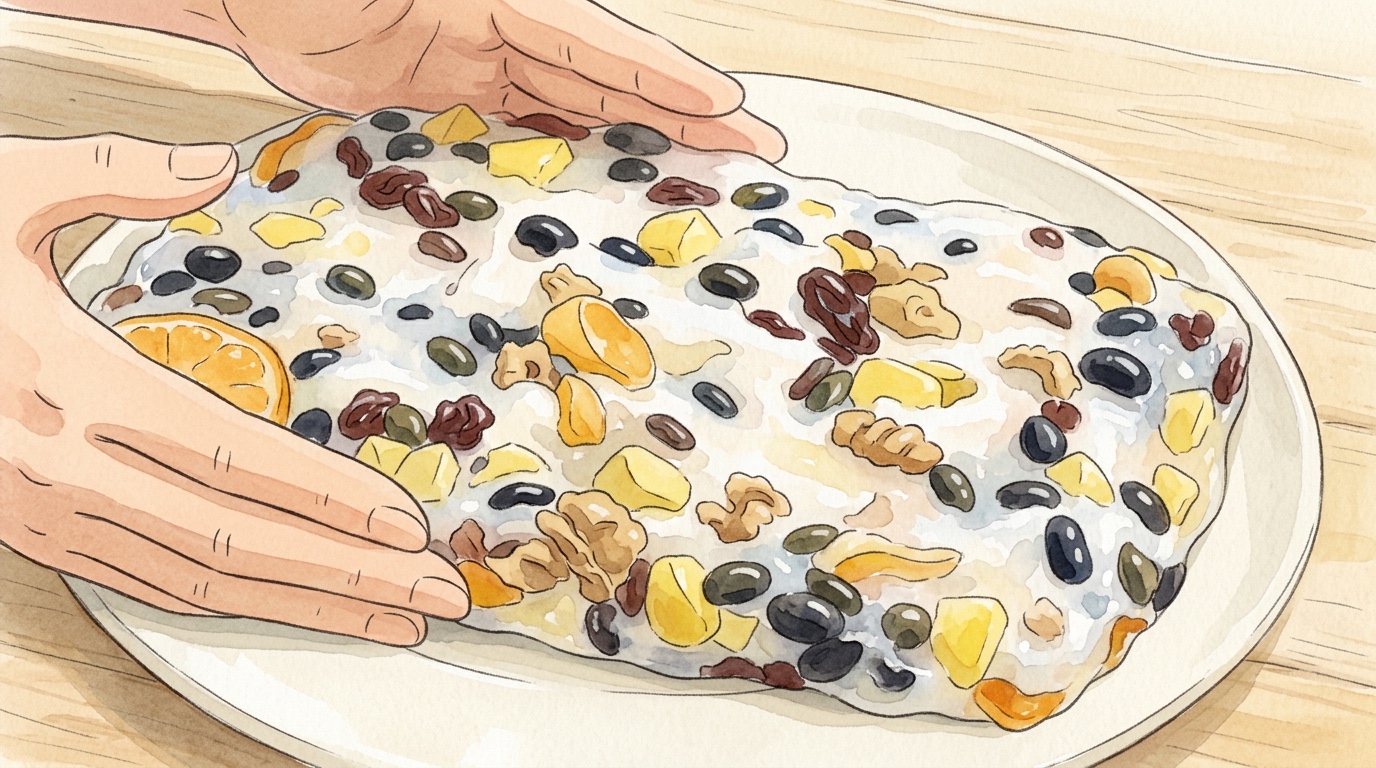
If desired, shape the cake into a rectangle, wetting your hands with water so it doesn’t stick.
-
Cut the cake into serving pieces.
FAQ
What is Chaltteok (찰떡)?
Chaltteok is a traditional Korean steamed rice cake made from sweet glutinous rice flour, often enriched with various ingredients like black soybeans, jujubes, nuts, and pumpkin, known for its soft and chewy texture.
How does Chaltteok differ from Japanese Mochi?
While both are made from glutinous rice, Chaltteok is typically steamed and often incorporates a wider variety of savory and sweet fillings or mix-ins directly into the dough, resulting in a denser, chewier texture compared to the often softer, sweeter Japanese mochi.
Can I substitute ingredients in this Chaltteok recipe?
Yes, you can customize the nuts and dried fruits. For instance, if jujubes are unavailable, dried cranberries or dates can be used, though the flavor profile will shift. Almond milk can be replaced with other plant-based milks or water.
How long does it take to prepare Chaltteok?
This Chaltteok recipe requires approximately 270 minutes (4.5 hours) of preparation and cooking time, primarily due to soaking ingredients and steaming.
How should I serve and store Chaltteok?
Chaltteok is best served fresh and warm. For storage, wrap individual pieces tightly in plastic wrap to prevent drying and store at room temperature for up to 2 days, or freeze for longer preservation. Reheat gently by steaming.