Ichigo Daifuku (いちご大福)
Japan
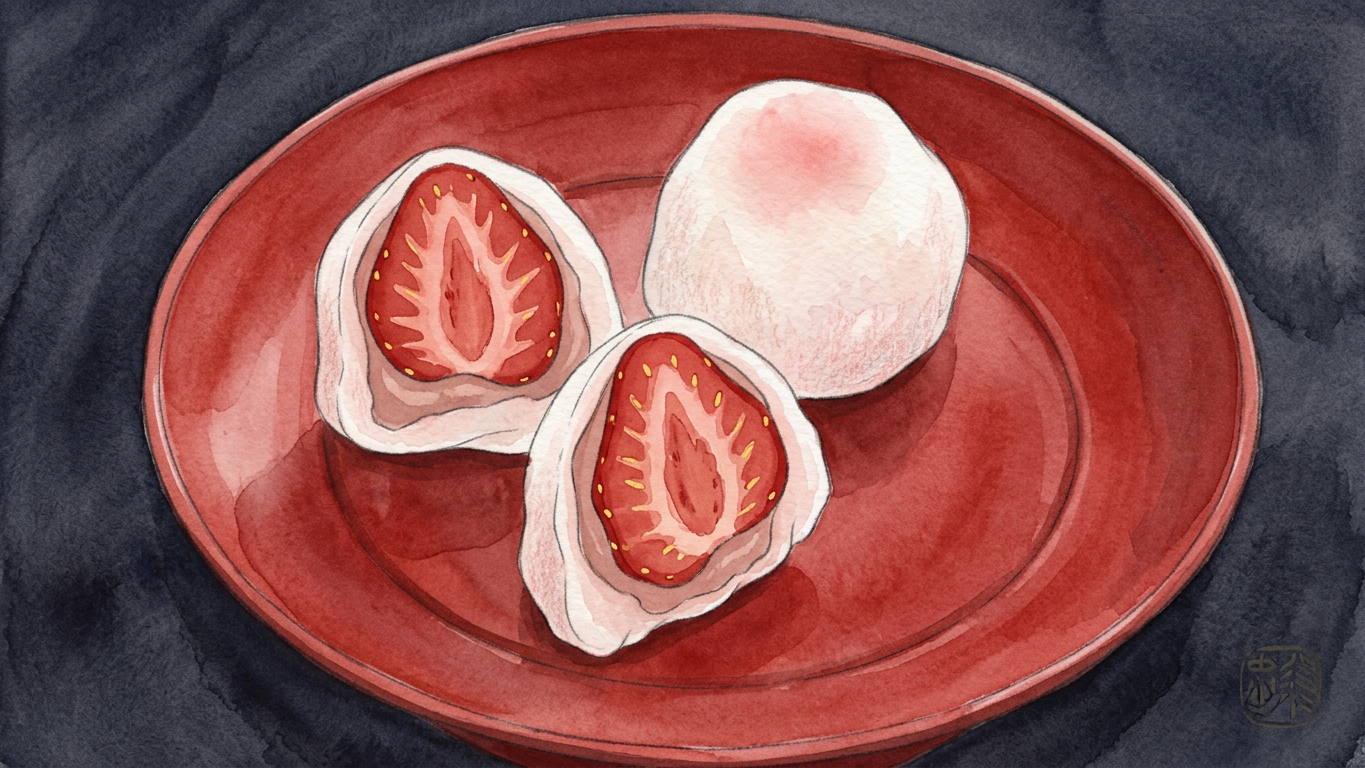
Traditional Japanese sweet treat in the form of a round mochi disc, inside which fresh strawberry is hidden, wrapped in sweet red bean paste (anko).
Ingredients
- 4 pieces strawberry
- 40 grams anko
- 50 grams glutinous rice flour
- 10 grams sugar
- 70 milliliters water
- to taste potato starch
Steps
-
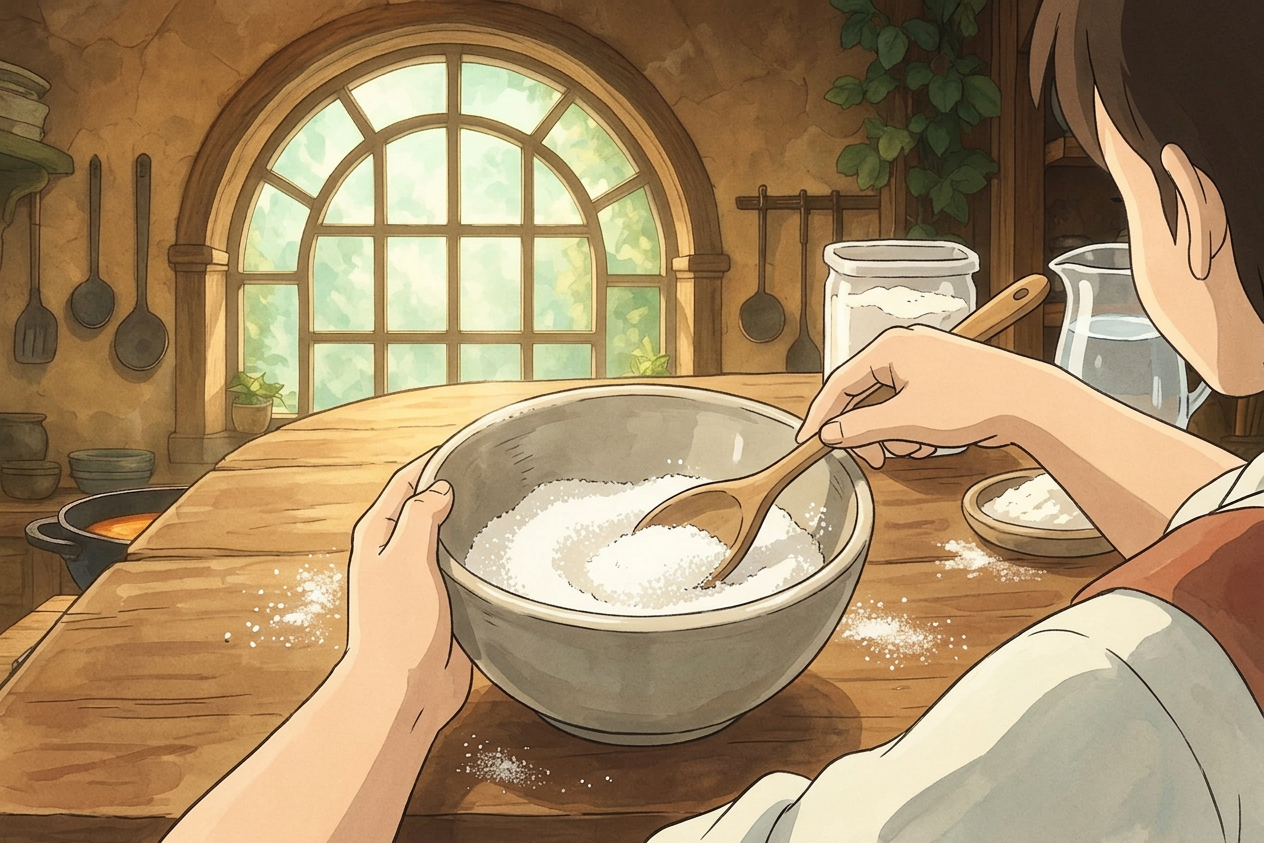
In a bowl, combine glutinous rice flour and sugar, mixing well. Add half of the water (35 ml) and stir until the granules dissolve.
-
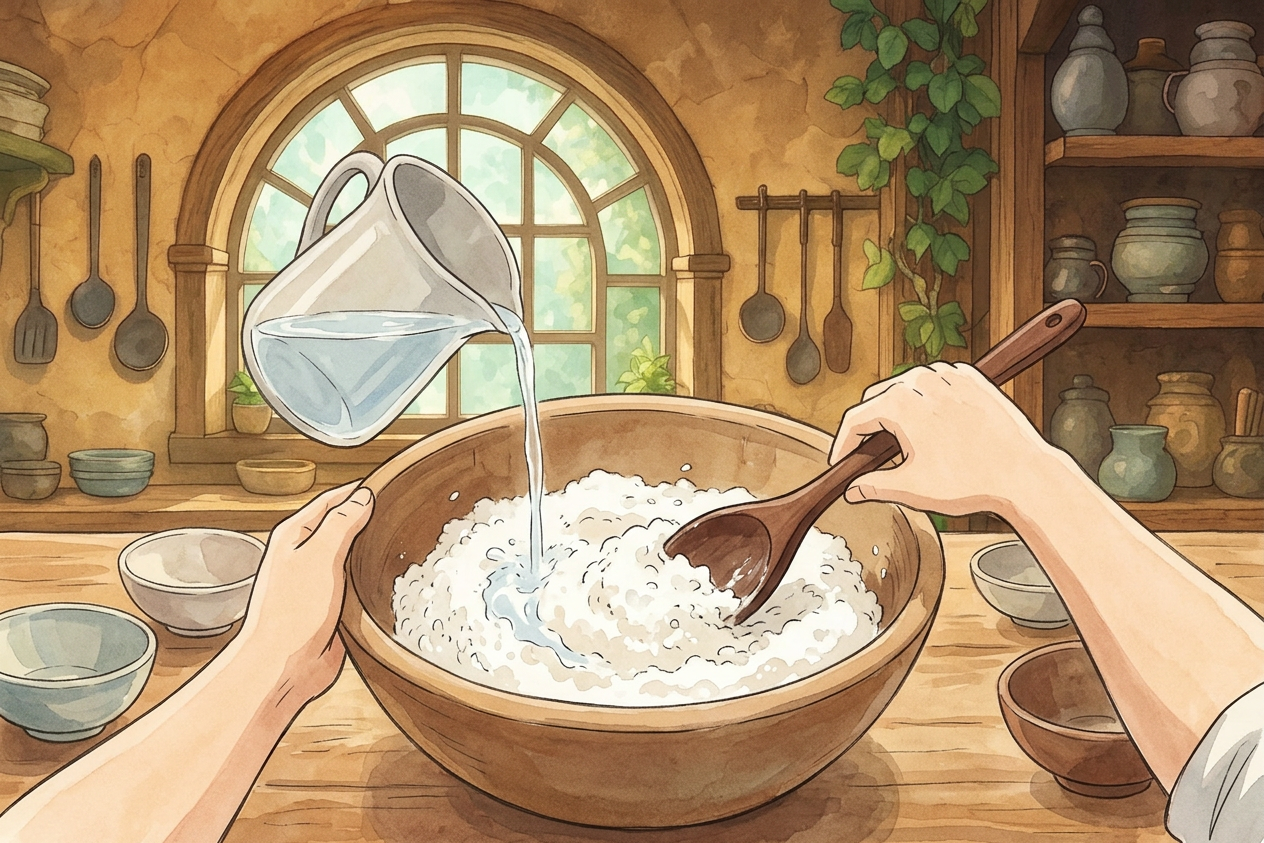
Pour the remaining water (35 ml) and stir the dough thoroughly again.
-
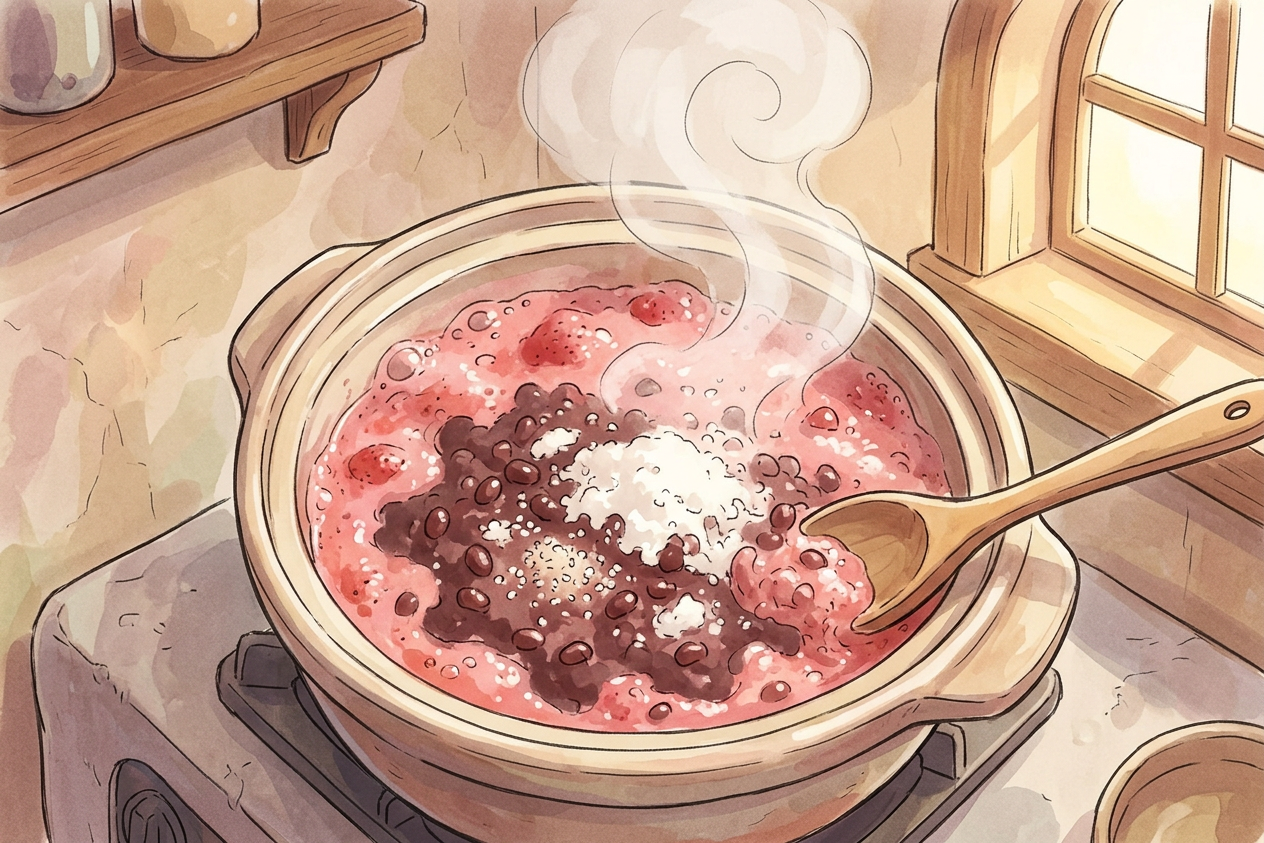
Place the bowl in a steamer, pre‑boiling it first. Cover the steamer with a cloth, then the lid, and steam over medium heat for 20 minutes.
-
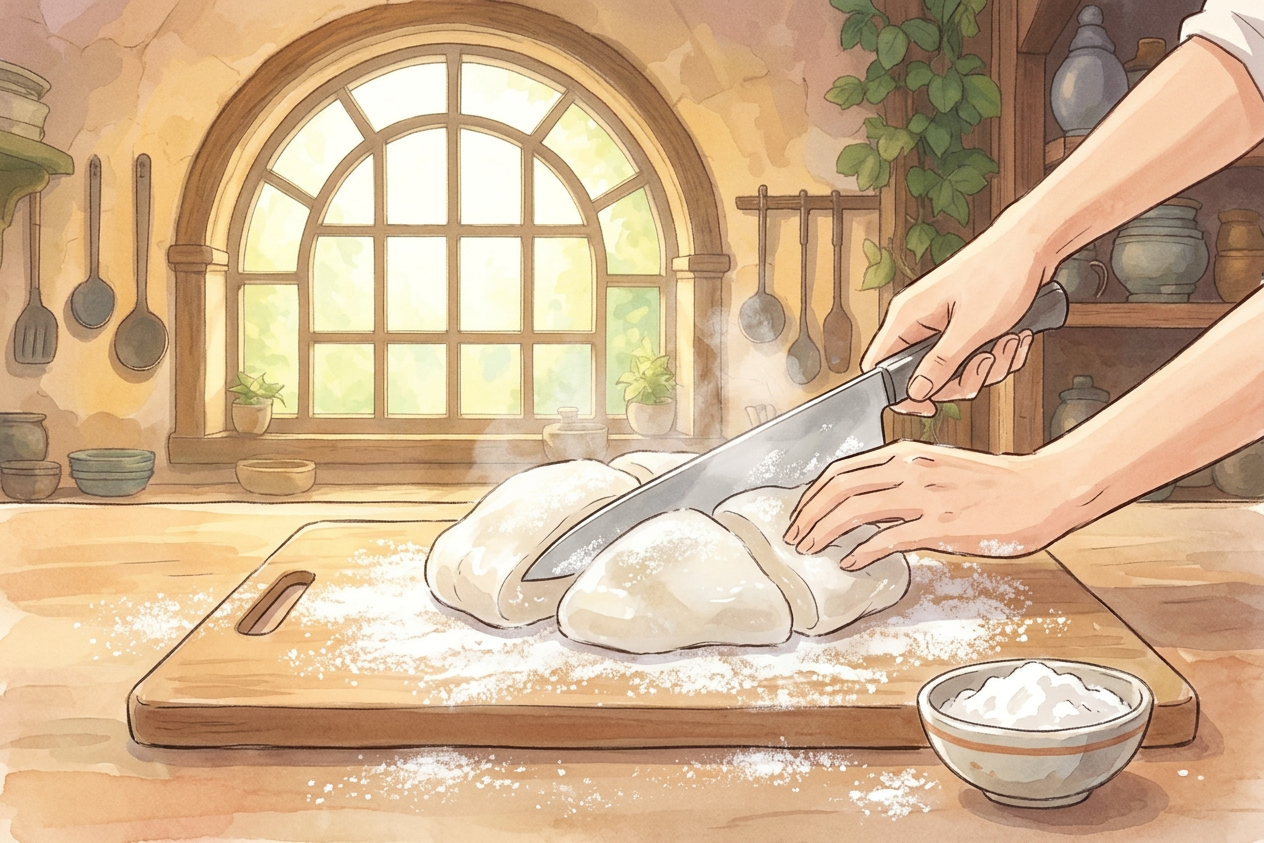
Transfer the cooked dough onto a cutting board dusted with potato starch. Cut with a knife also dusted with starch into four equal pieces and let cool.
-
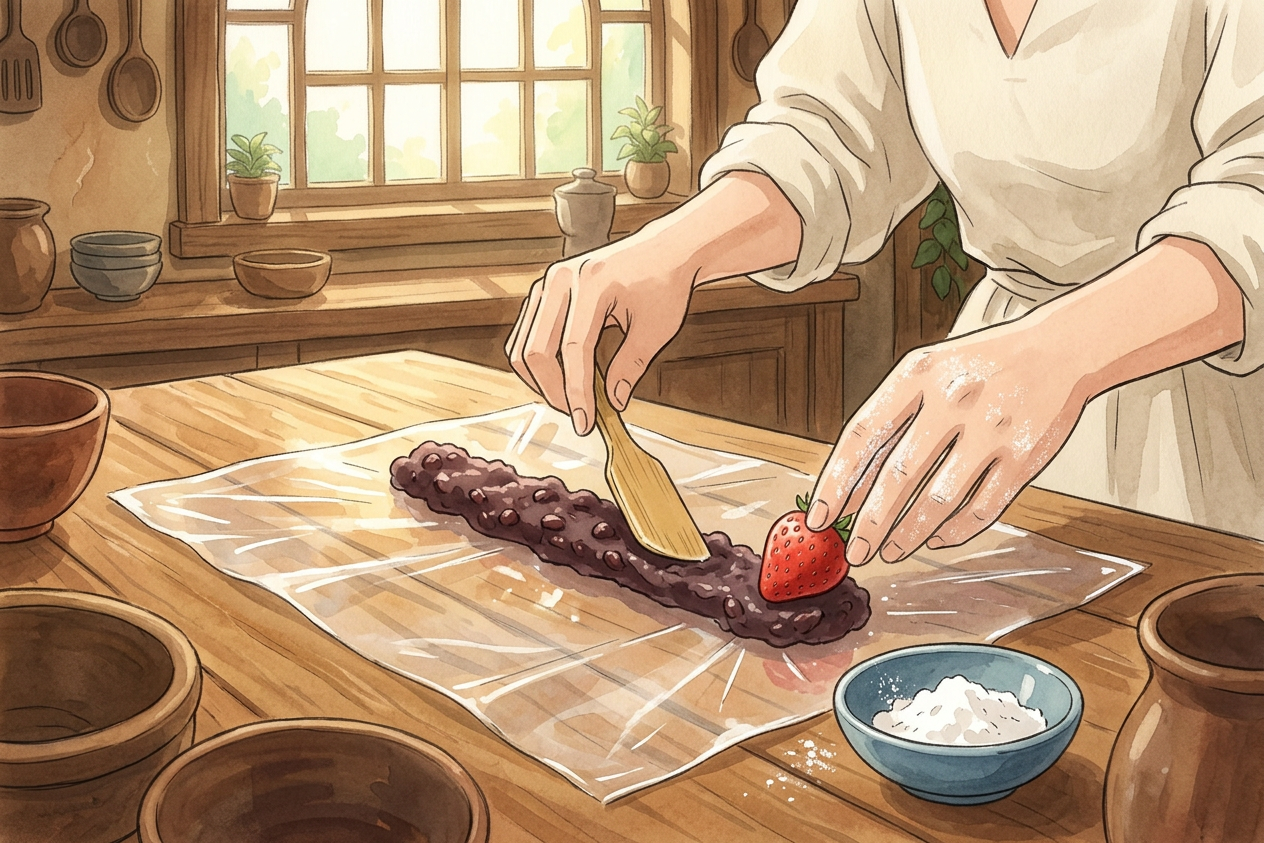
Wash the strawberries, dry and remove the stems. On a piece of plastic wrap, place one‑quarter of the anko, shape a strip about 2 cm wide and wrap the strawberry in it. Dust your hands with starch.
-
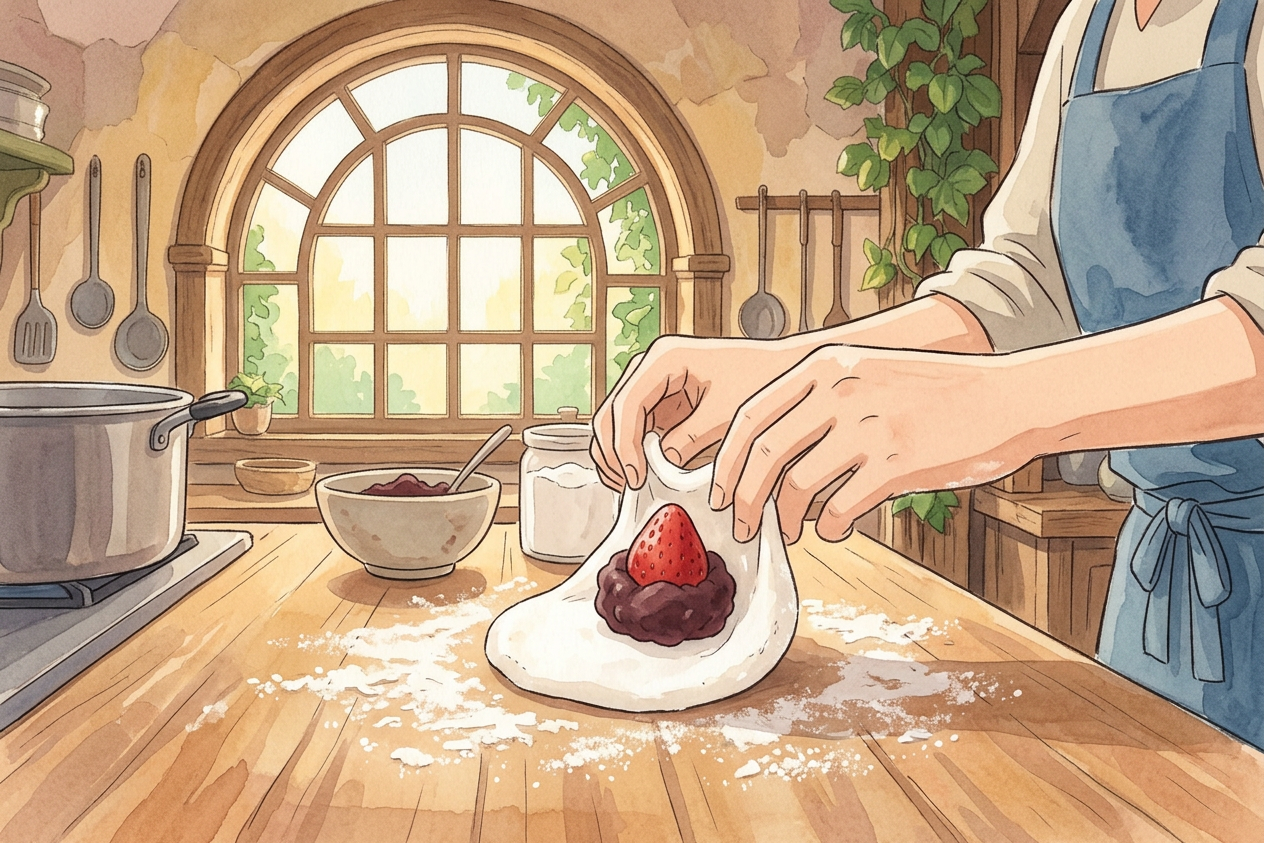
From a piece of mochi, shape a round disc about 6 cm in diameter. Place the strawberry wrapped in anko in the centre and cover with the second half of the dough. Pinch the edges so the dough fully encloses the strawberry, and gently press the bottom.
-
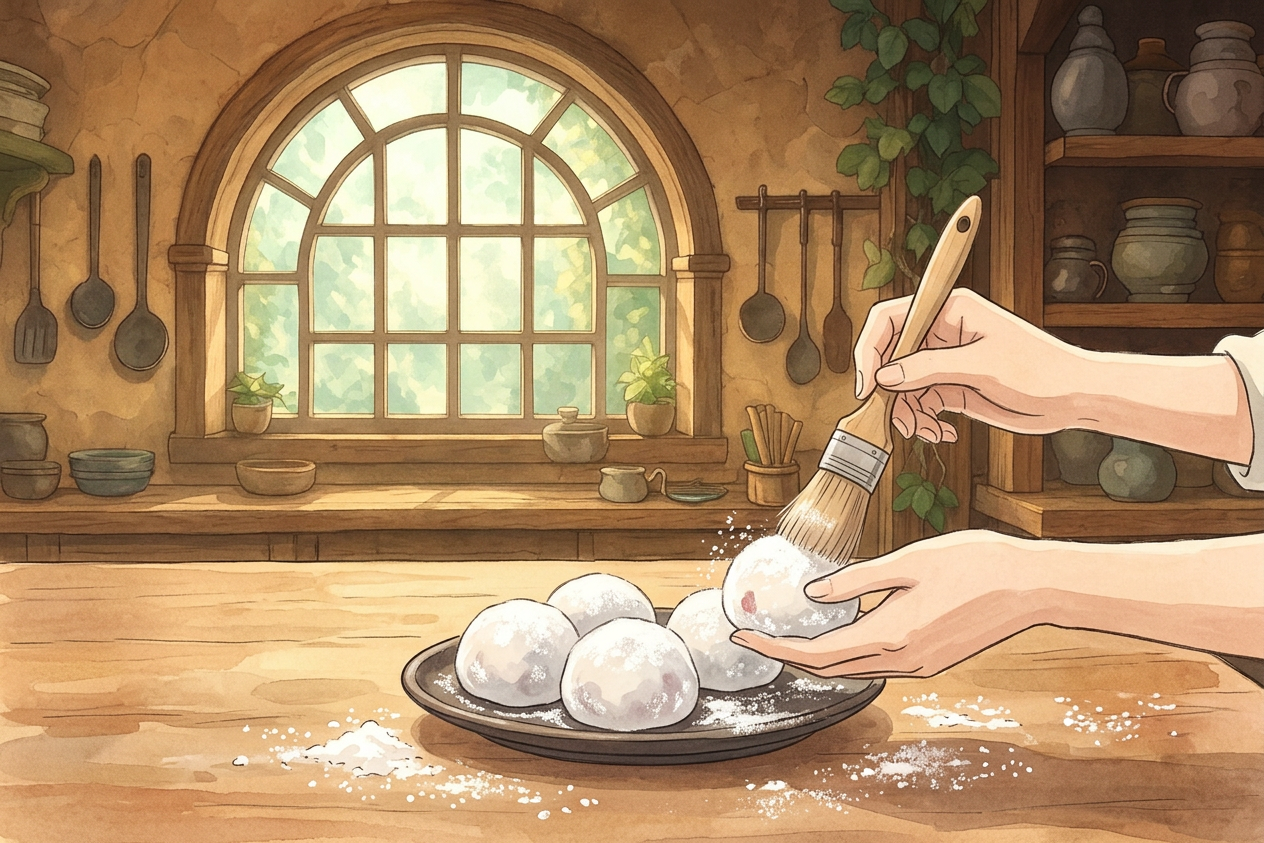
Brush off excess starch and serve the daifuku.
FAQ
What is Ichigo Daifuku (いちご大福)?
Ichigo Daifuku is a traditional Japanese sweet featuring a whole fresh strawberry wrapped in sweet red bean paste (anko), all encased in a soft, chewy mochi shell.
Can I substitute the strawberry in Ichigo Daifuku?
While fresh strawberries are traditional, you can experiment with other small fruits like grapes or mandarins, though the classic taste will differ.
How long does it take to make Ichigo Daifuku?
This recipe takes approximately 40 minutes to prepare, including cooking the mochi and assembling the daifuku.
How should I store homemade Ichigo Daifuku?
Ichigo Daifuku is best enjoyed fresh on the day it's made. If you must store them, keep them in an airtight container at room temperature for no more than one day, as refrigeration can harden the mochi.
Where can I find ingredients like glutinous rice flour and anko?
You can typically find glutinous rice flour (mochiko) and red bean paste (anko) at Asian grocery stores, specialty food markets, or online retailers.