Manduguk (만두국)
Korea
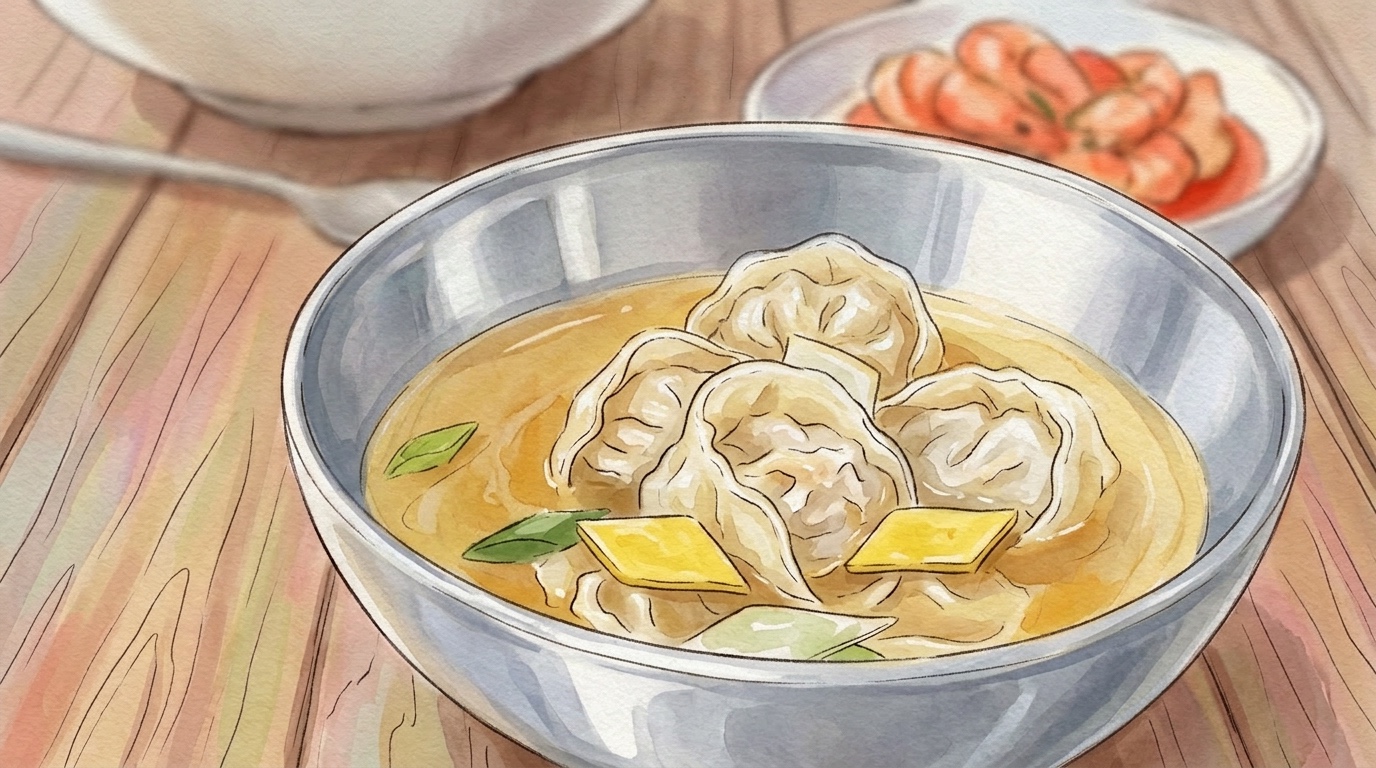
Traditional Korean soup with steamed mandu dumplings, aromatic broth, and a delicate egg omelette. Served hot, garnished with green onion and seaweed.
Ingredients
- 10 pcs mandu
- 1200 ml chicken broth
- 1 tbsp soy sauce
- 2 tsp garlic
- to taste salt
- to taste black pepper
- 1 pcs egg
- 0.5 pcs nori
- 0.5 pcs dried seaweed
- 1 pcs green onion
Steps
-
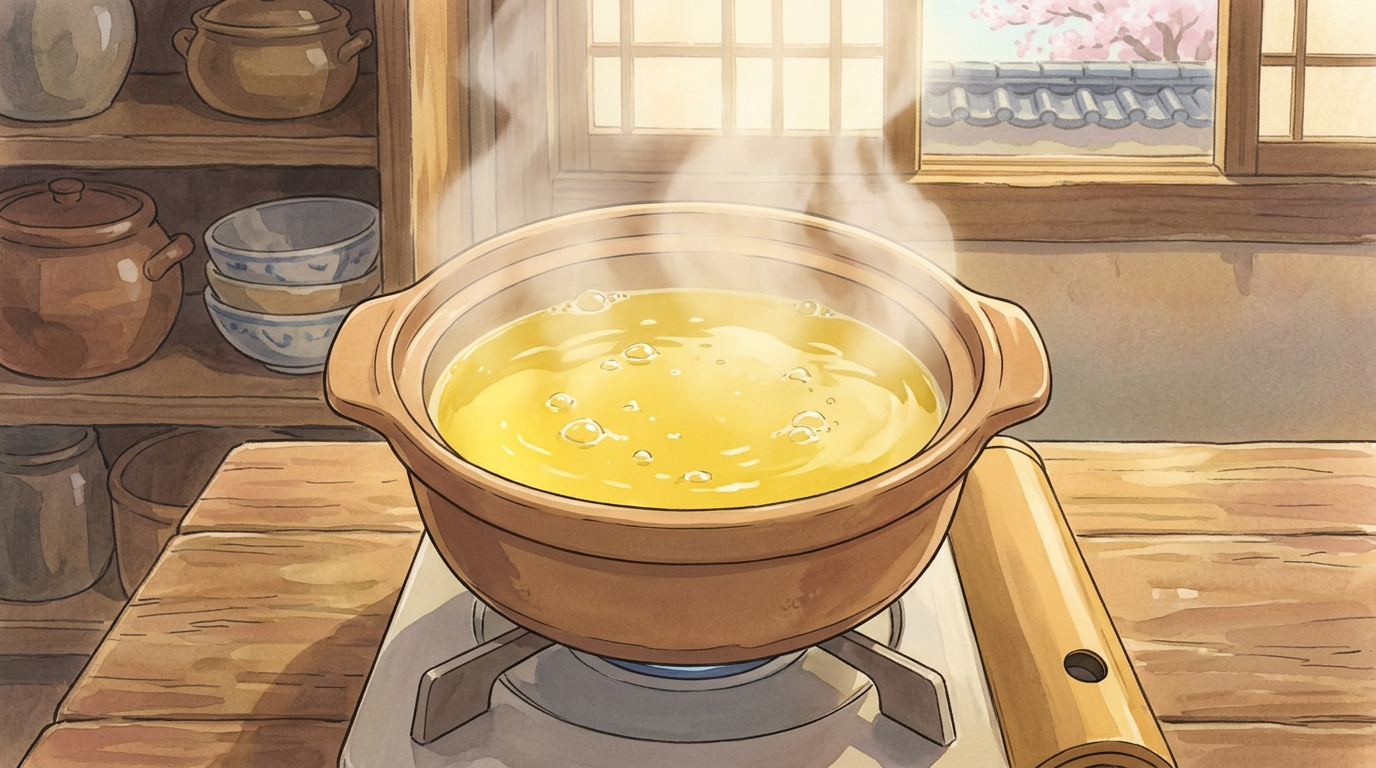
In a medium pot bring 5 cups (1200 ml) chicken broth to a boil.
-
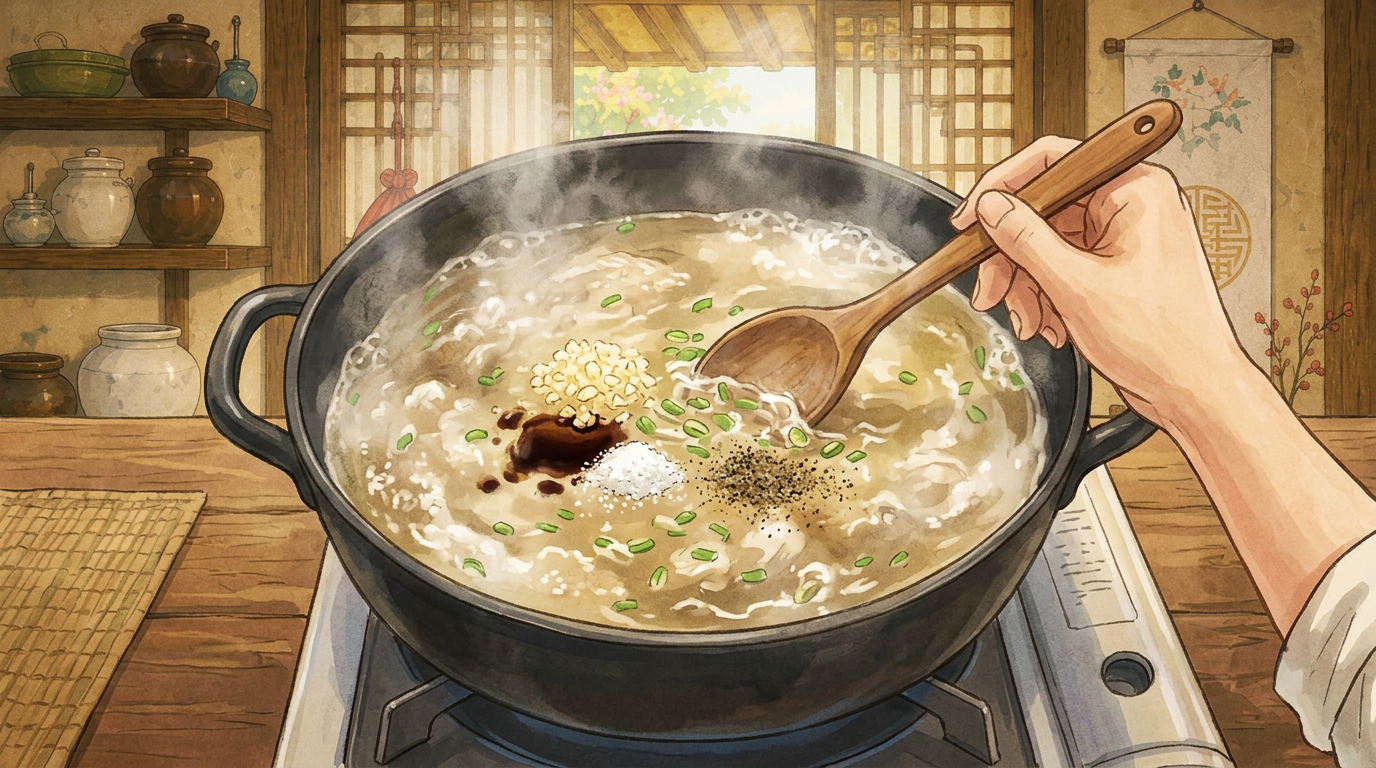
Add minced garlic, soy sauce, salt, and black pepper to the boiling broth, stir.
-
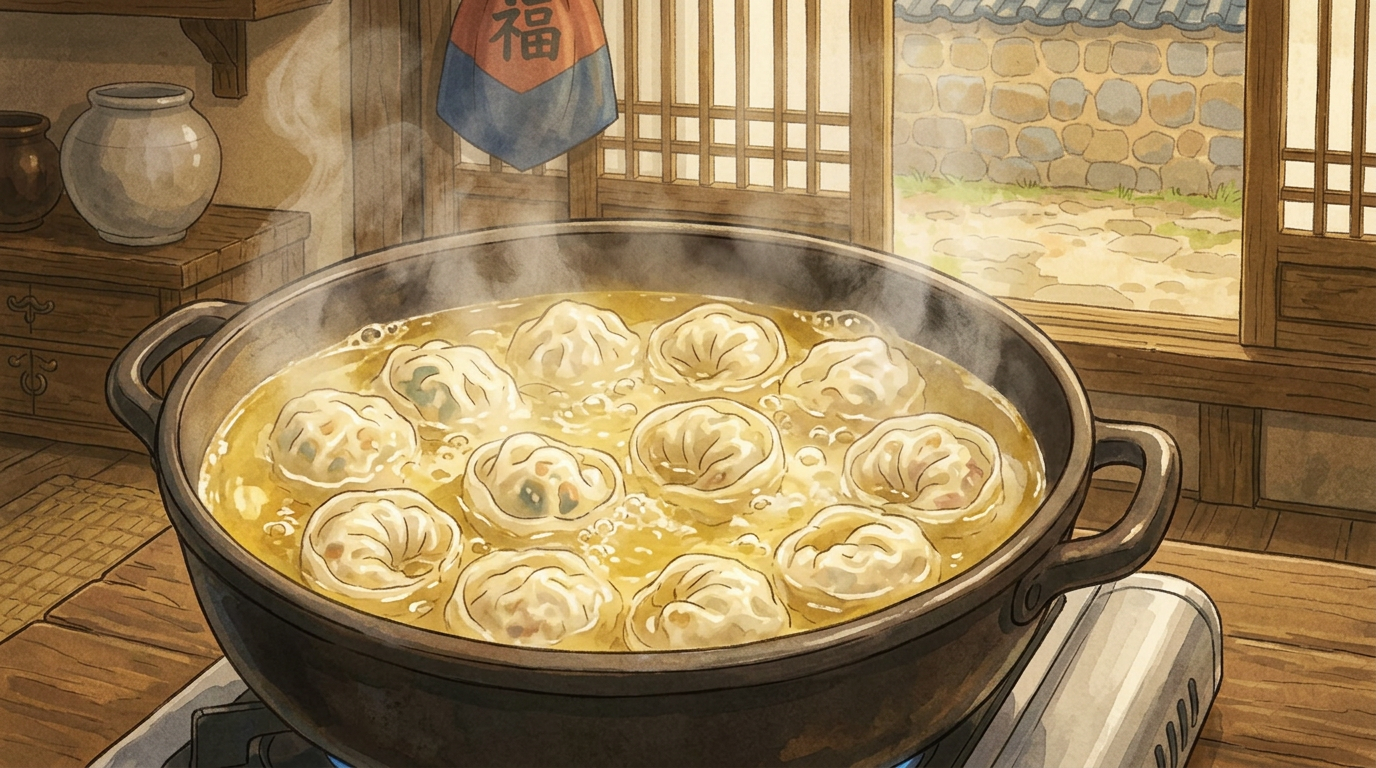
Place the mandu into the boiling broth, stir, cook until they float, then reduce heat and simmer for another 1–2 minutes.
-

Beat the egg, pour it onto a heated pan, fry a thin layer until set, cool and cut into strips.
-
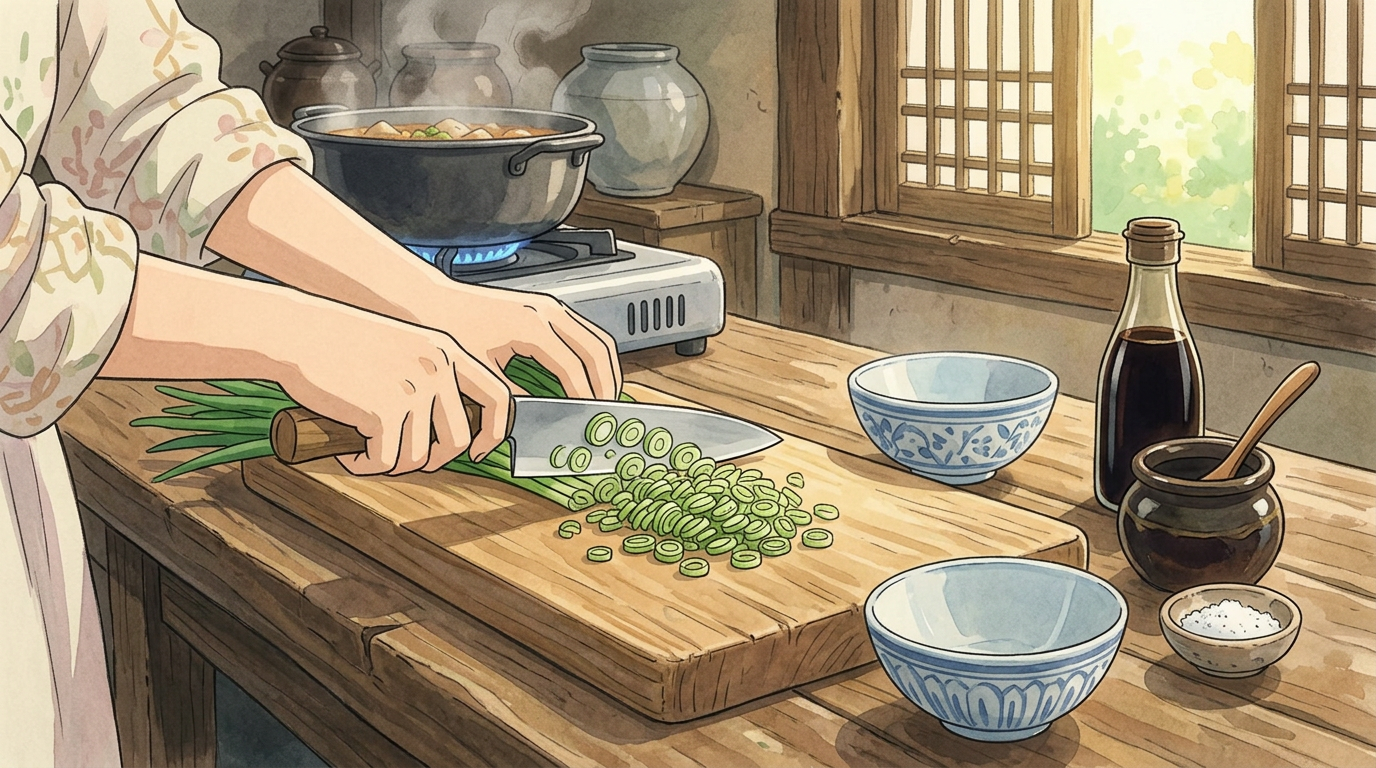
Thinly slice the green onion.
-
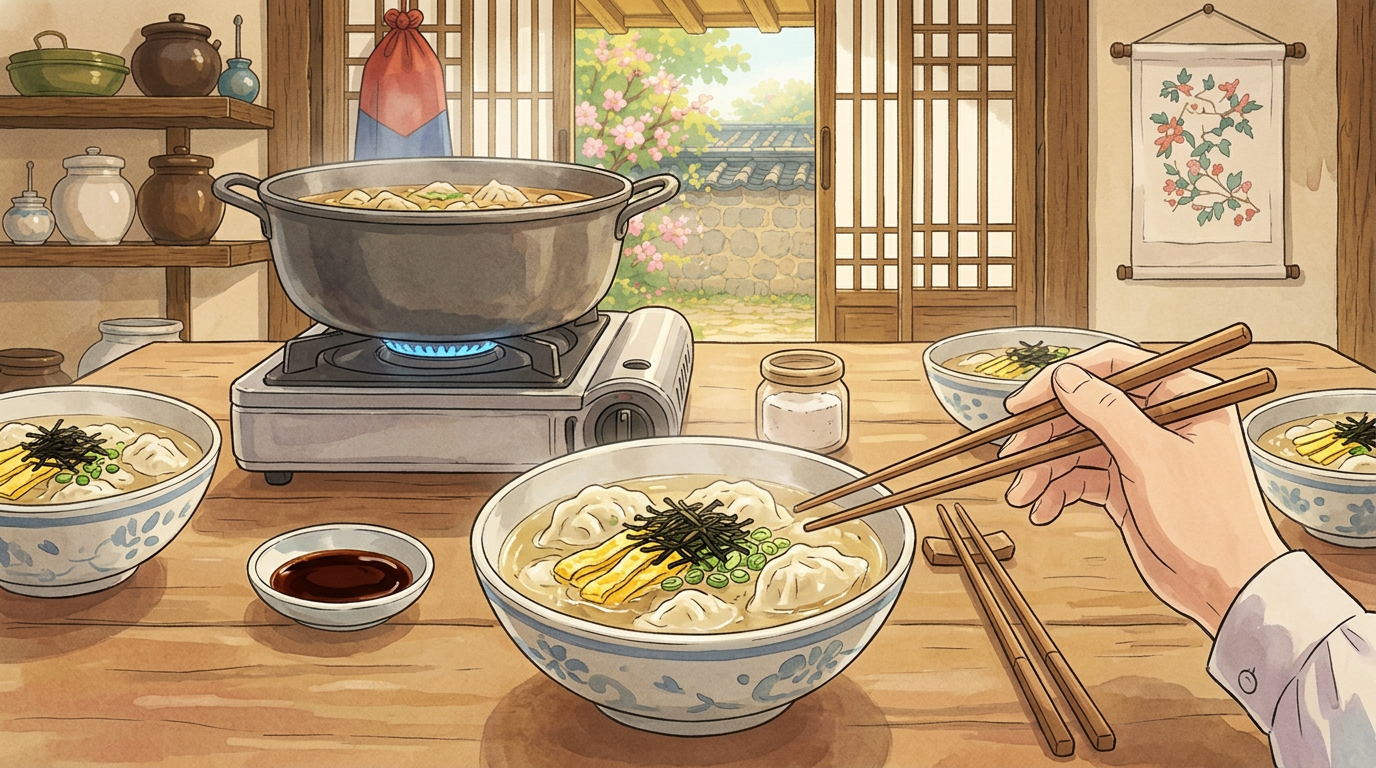
Divide the soup into bowls, add mandu, top with egg strips, garnish with nori, dried seaweed, and green onion.
FAQ
What is Mandutguk (만둣국)?
Mandutguk is a traditional Korean soup featuring steamed mandu (dumplings) in a flavorful broth, often garnished with egg and seaweed. It's a comforting and popular dish.
How do you pronounce 만둣국 (Mandutguk)?
만둣국 is pronounced 'Man-doo-gook'. The 't' sound in 'Mandut' is often softened or assimilated depending on the following syllable, but 'Man-doo-gook' is a common and understandable pronunciation.
Can I make Mandutguk vegetarian or vegan?
Yes, you can! Substitute chicken broth with vegetable broth and ensure your mandu fillings are plant-based. Omit the egg garnish for a vegan version.
What if I can't find fresh mandu dumplings?
Frozen mandu are widely available in most Asian grocery stores and are a perfectly acceptable and convenient substitute for fresh ones in this recipe.
What are common garnishes for Mandutguk?
Typical garnishes include thinly sliced egg omelette, shredded nori (seaweed), and chopped green onions, adding both flavor and visual appeal.