Sanshoku Ohagi (三色おはぎ)
Japan
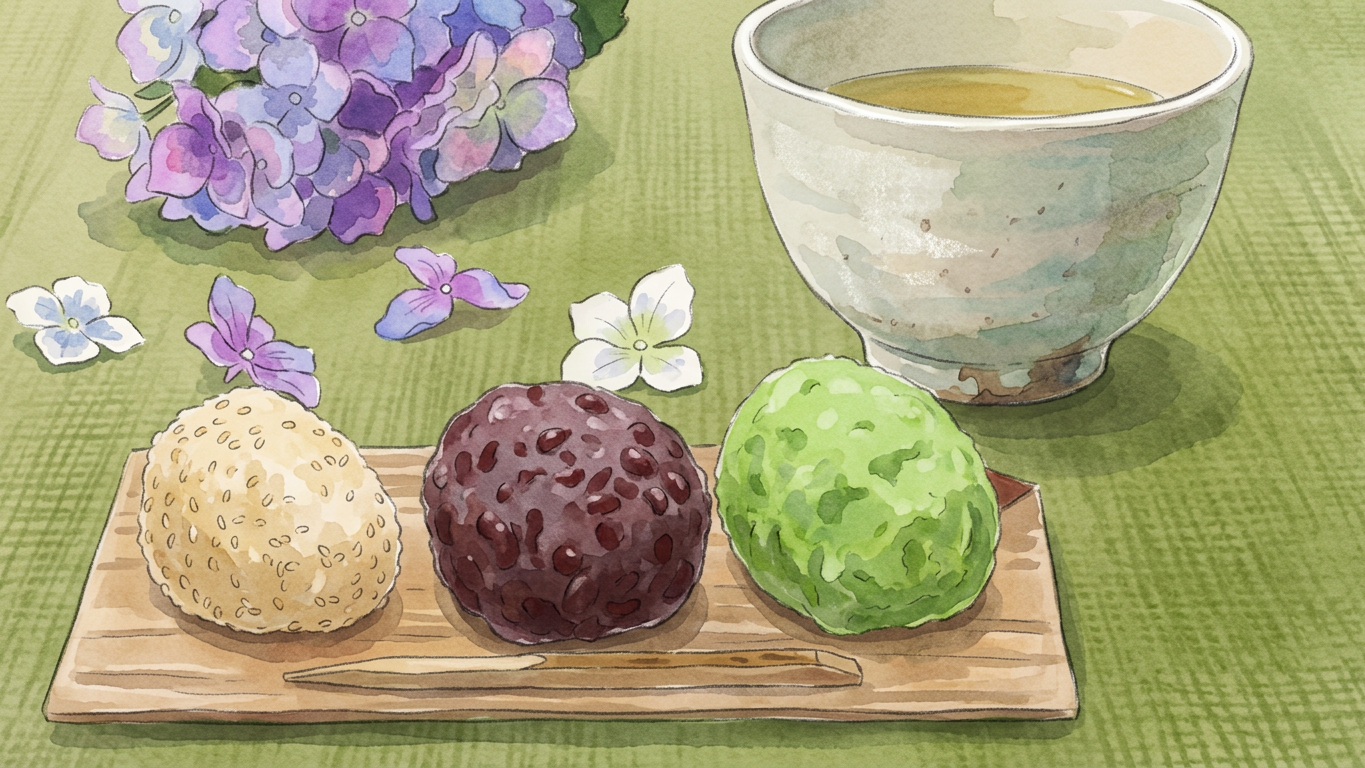
Traditional Japanese sweet balls made from glutinous rice, filled with azuki bean paste, soy bean paste, and coated in sesame. Served with fragrant green tea.
Ingredients
- 300 g sticky rice
- 400 ml water
- 0.2 tsp salt
- 240 g azuki bean paste
- 80 g soy beans
- 2 tsp sugar (for soy paste)
- 2 tbsp white sesame seeds
- 0.5 tbsp green tea leaves
Steps
-
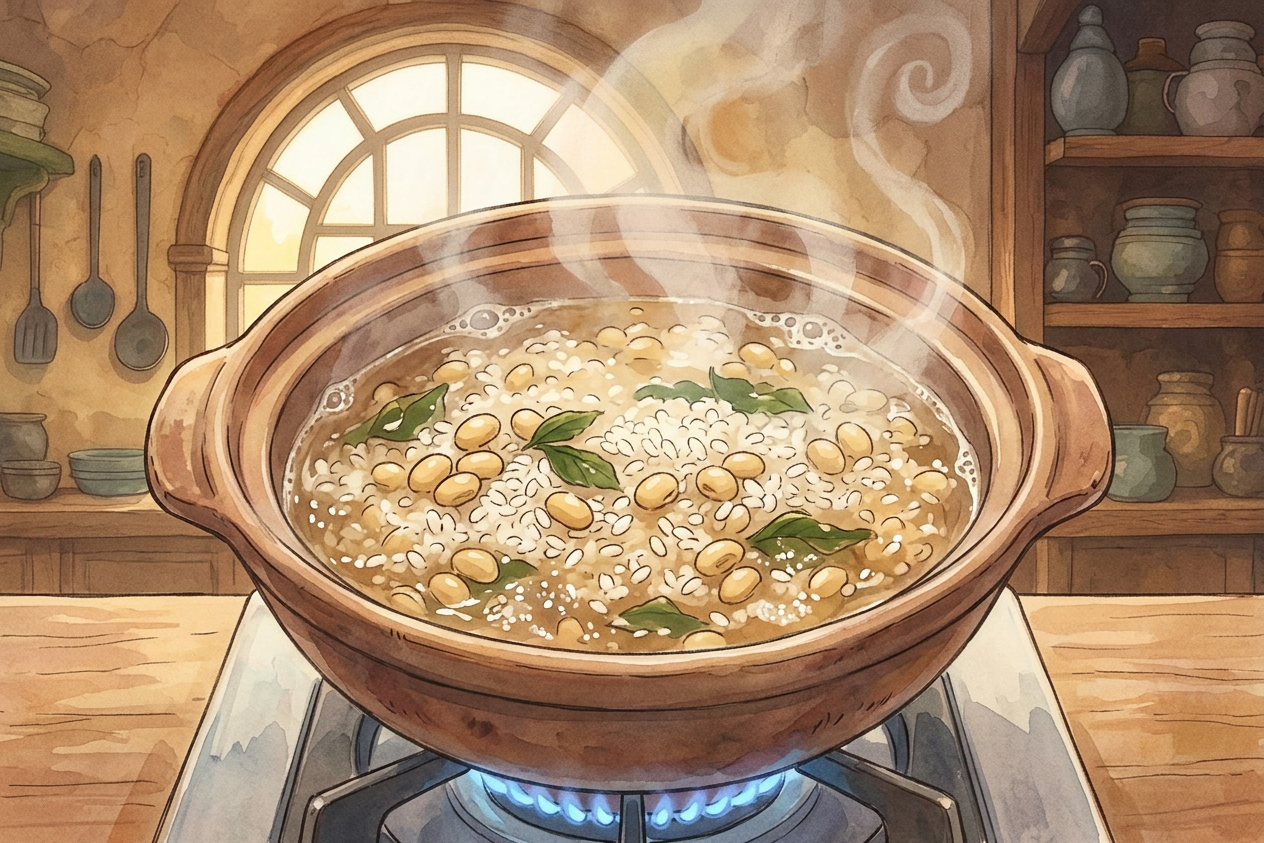
Rinse the sticky rice, drain excess water, transfer to a pot, add 400 ml water, add salt, cover with a lid and cook over medium heat for 12 minutes, then reduce heat to low.
-
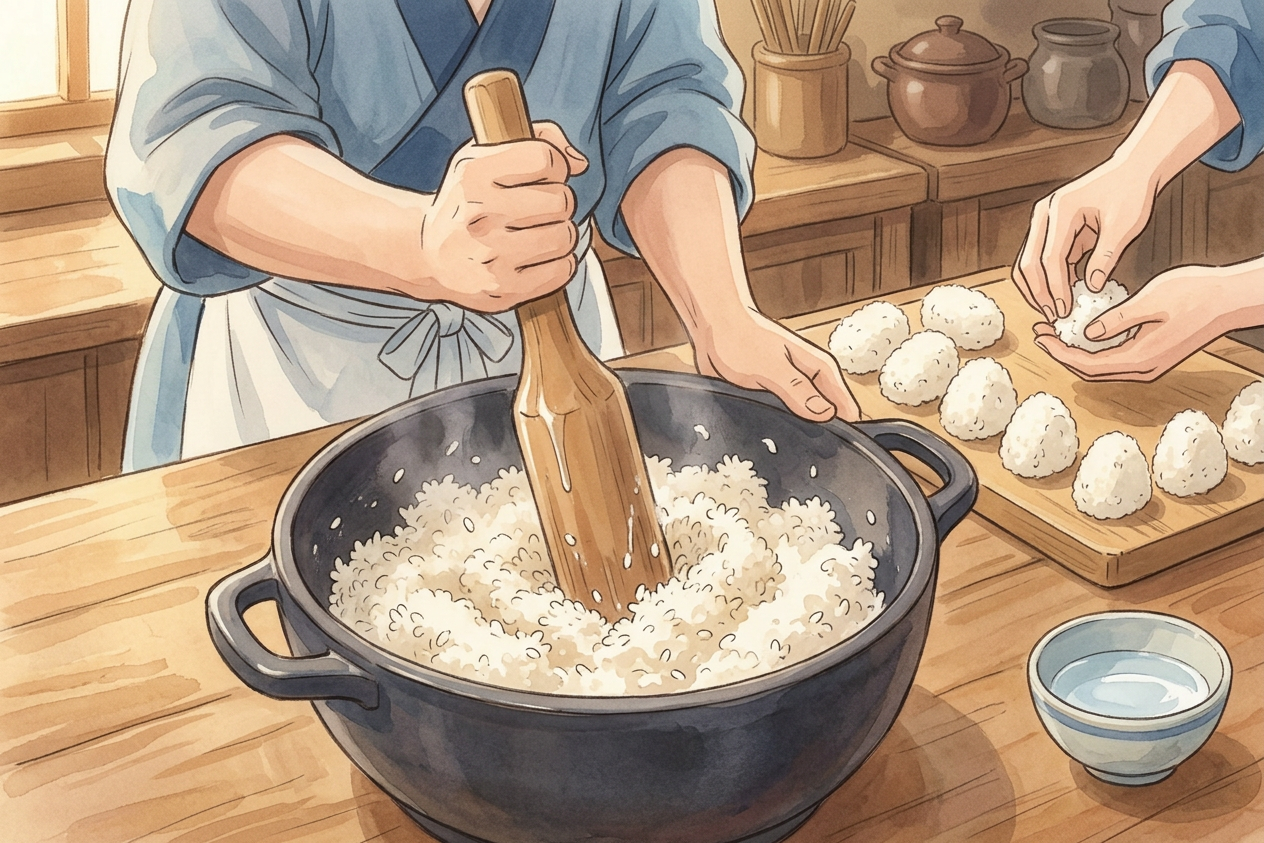
Remove the pot from the heat without removing the lid, let the rice rest for 10 minutes, then mash with a damp wooden pestle, divide the mass into 16 equal portions and shape small balls.
-
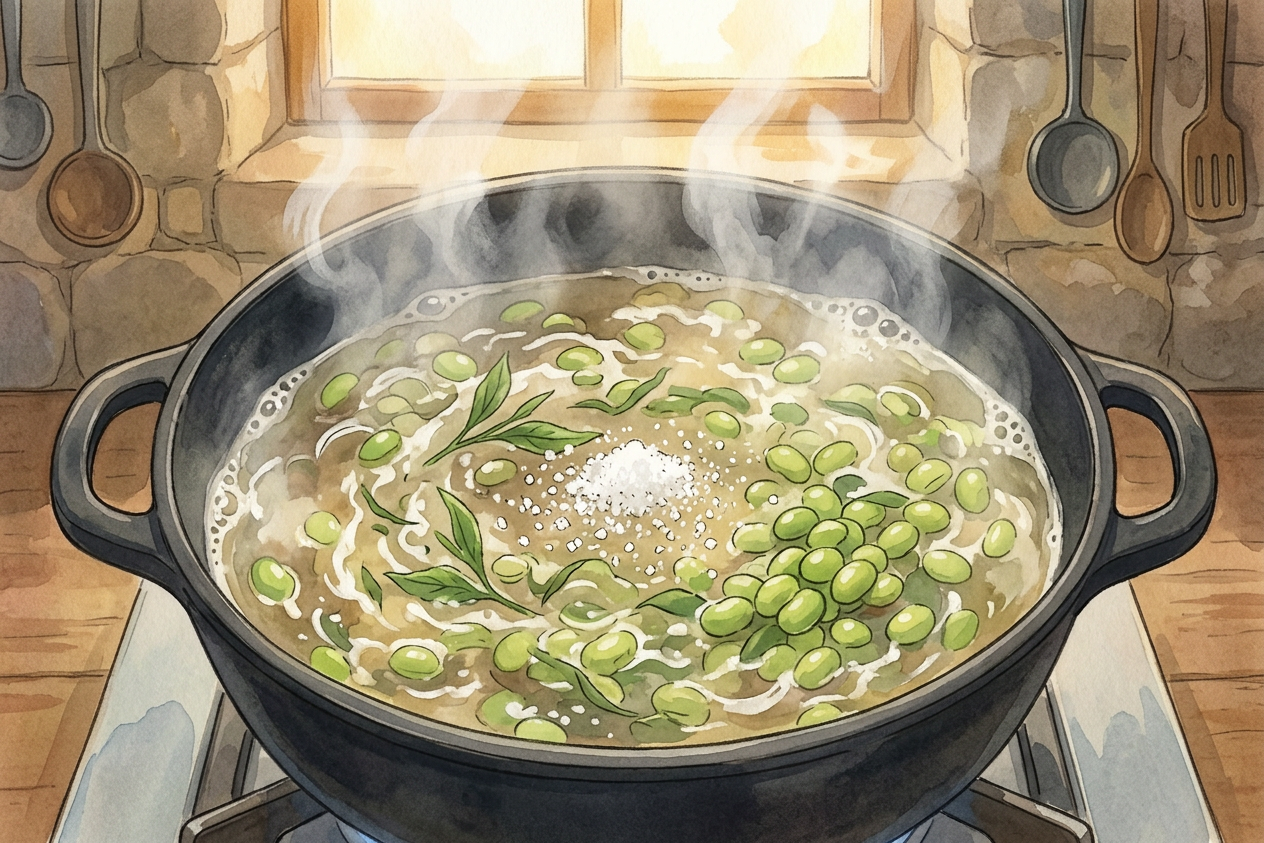
Boil the soy beans in lightly salted water until tender, drain, remove the skins, mash in a mortar, add 2 tsp sugar and mix thoroughly to obtain soy paste.
-
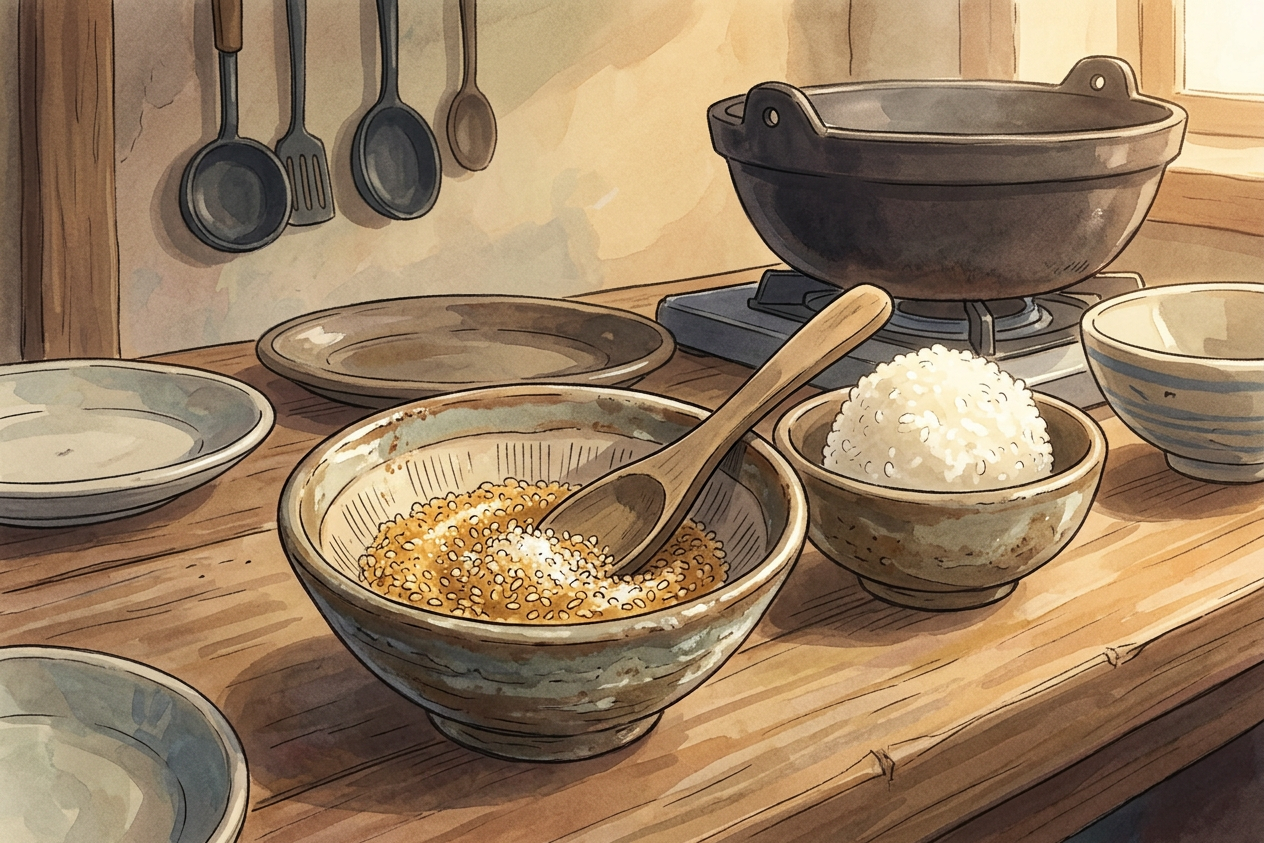
Grind the toasted white sesame seeds, then mix them with 0.5 tbsp sugar and a pinch of salt to make a sesame coating.
-
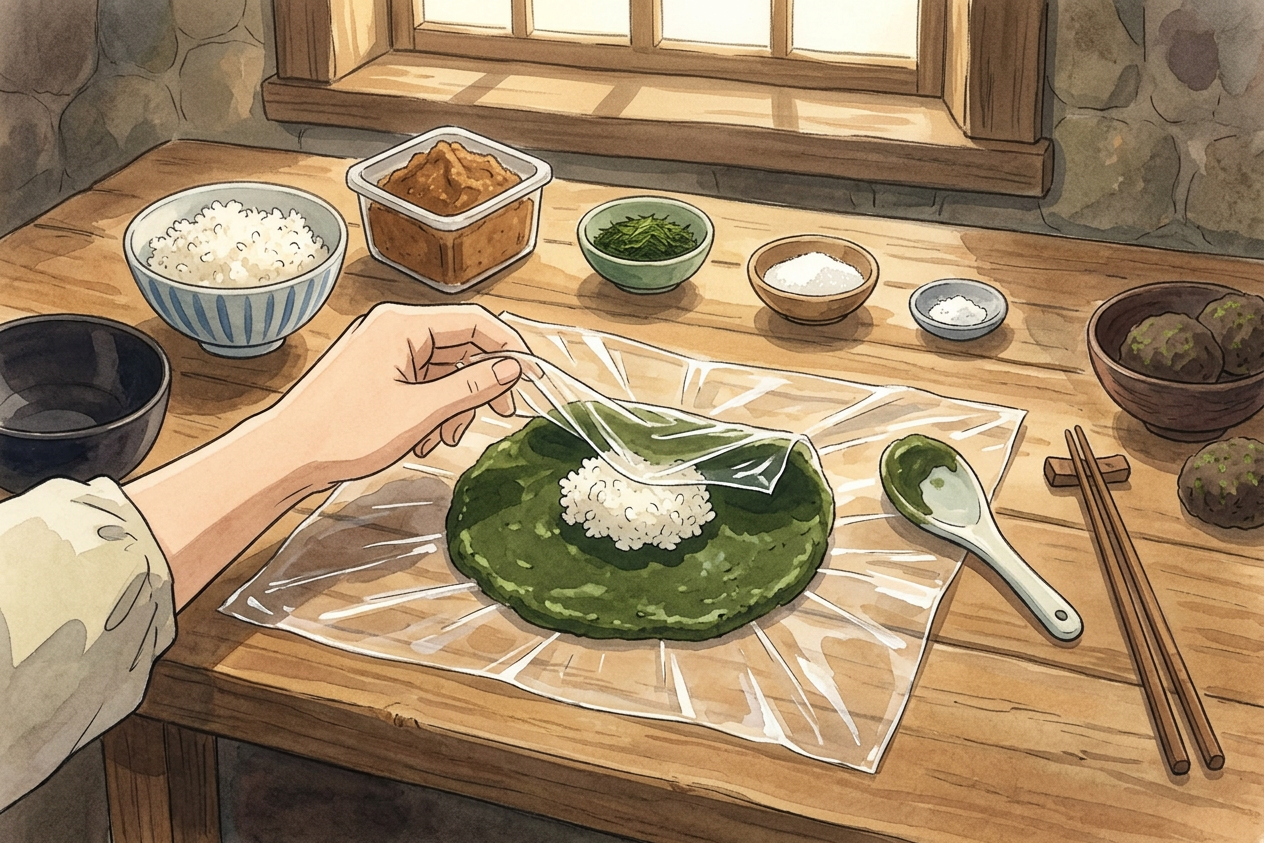
Form 4 rice balls with soy paste: place a portion of soy paste on a piece of cling film, roll into a disc about 8 cm in diameter, place a rice ball in the center, wrap with the film and remove it.
-
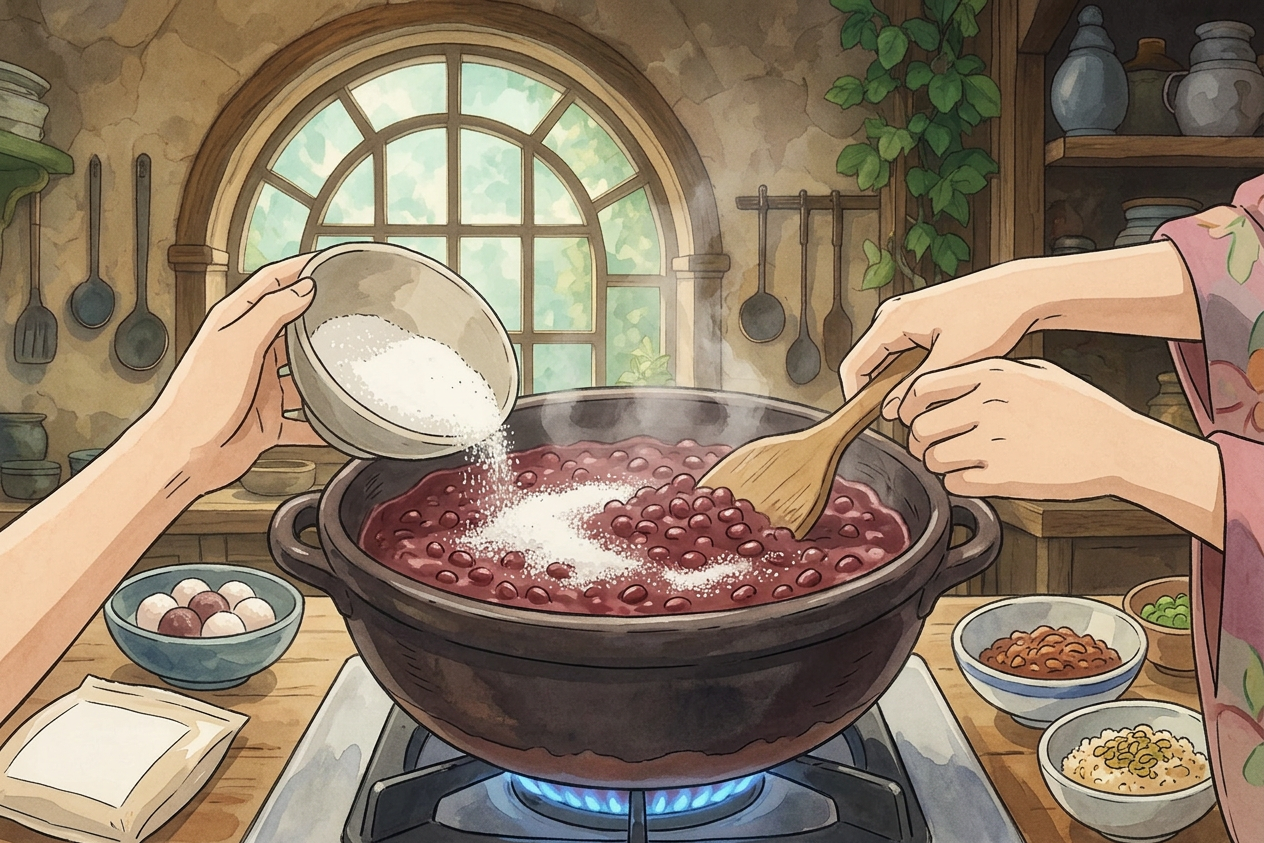
Form 8 balls with azuki bean paste, dividing the 240 g paste into 8 equal portions and wrapping each ball.
-
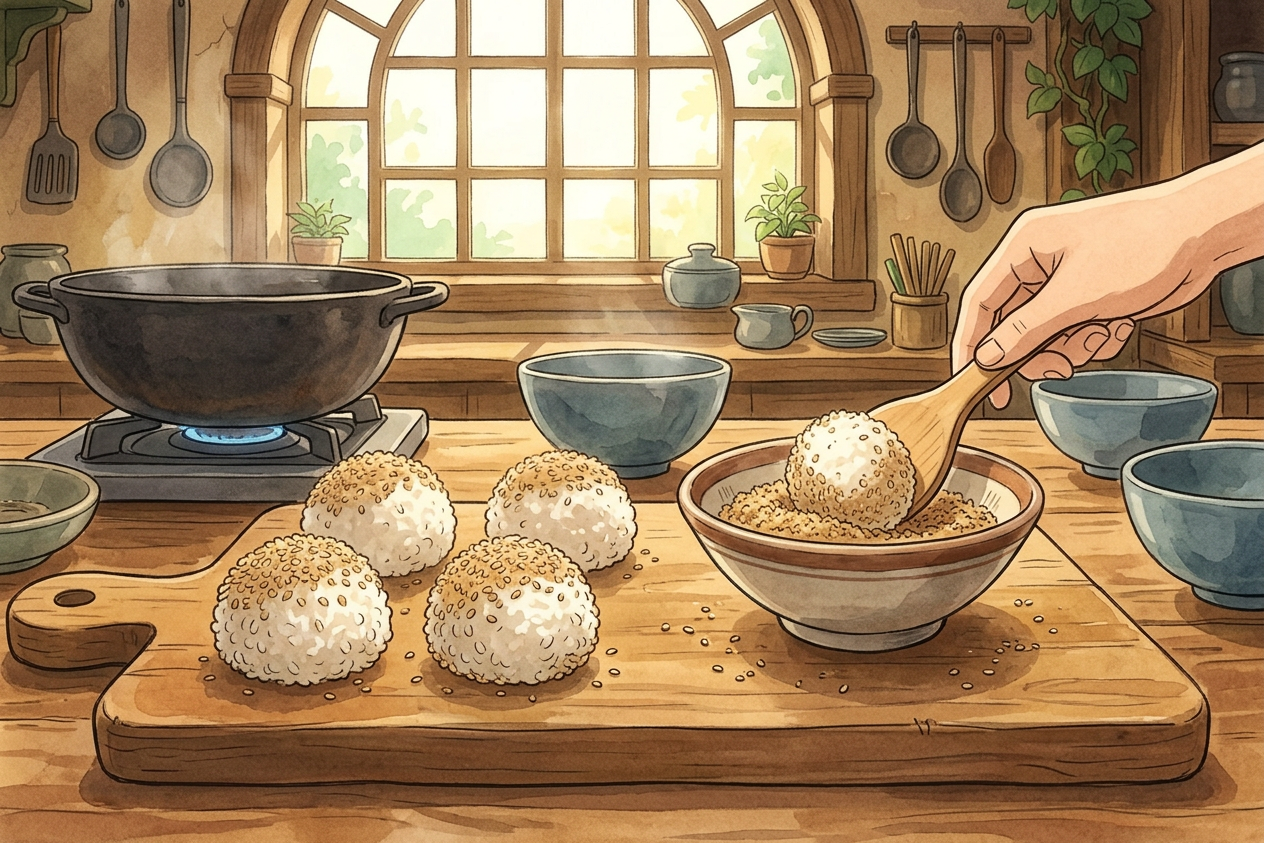
Roll the remaining 4 rice balls in the ground sesame to create a sesame crust.
-
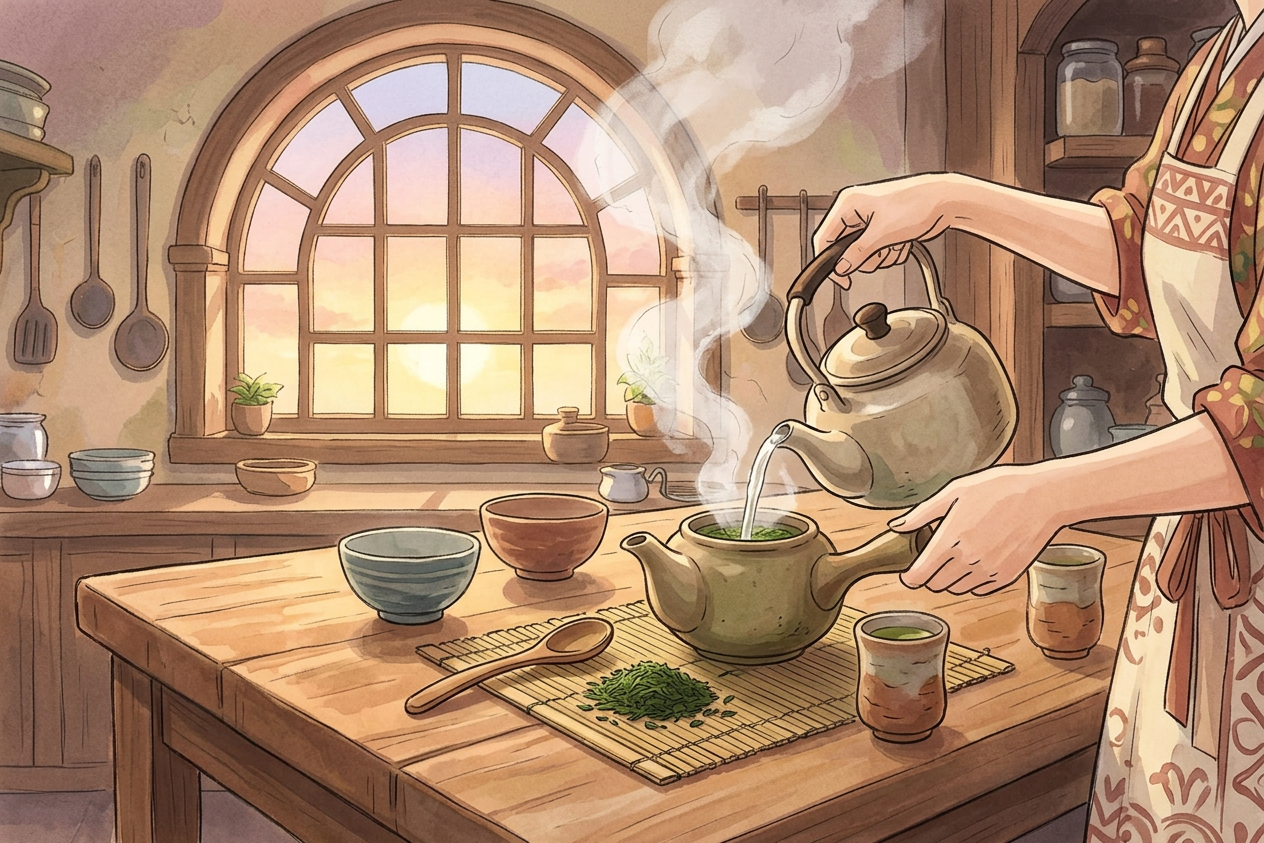
For the green tea: pour 200 ml hot water (≈90 °C) over 0.5 tbsp green tea leaves, let steep for 1 minute and pour into cups.
FAQ
What is Sanshoku Ohagi?
Sanshoku Ohagi are traditional Japanese sweet rice cakes made from glutinous rice, typically featuring three different coatings or fillings, often served during autumn.
How is Ohagi different from Mochi?
While both are made from glutinous rice, Ohagi uses cooked rice that is lightly mashed, retaining some texture, whereas Mochi is made from pounded rice, resulting in a smoother, chewier consistency.
What fillings are used in this Sanshoku Ohagi recipe?
This recipe features three classic fillings: sweet azuki bean paste, savory soy bean paste, and a coating of toasted white sesame seeds.
Can I make Sanshoku Ohagi at home?
Absolutely! This recipe provides step-by-step instructions to guide you through making delicious Sanshoku Ohagi in your own kitchen.
How should I serve Sanshoku Ohagi?
Sanshoku Ohagi are traditionally served fresh, often accompanied by a cup of fragrant green tea, making for a delightful and authentic Japanese snack or dessert.