Songpyeon (송편)
Korea
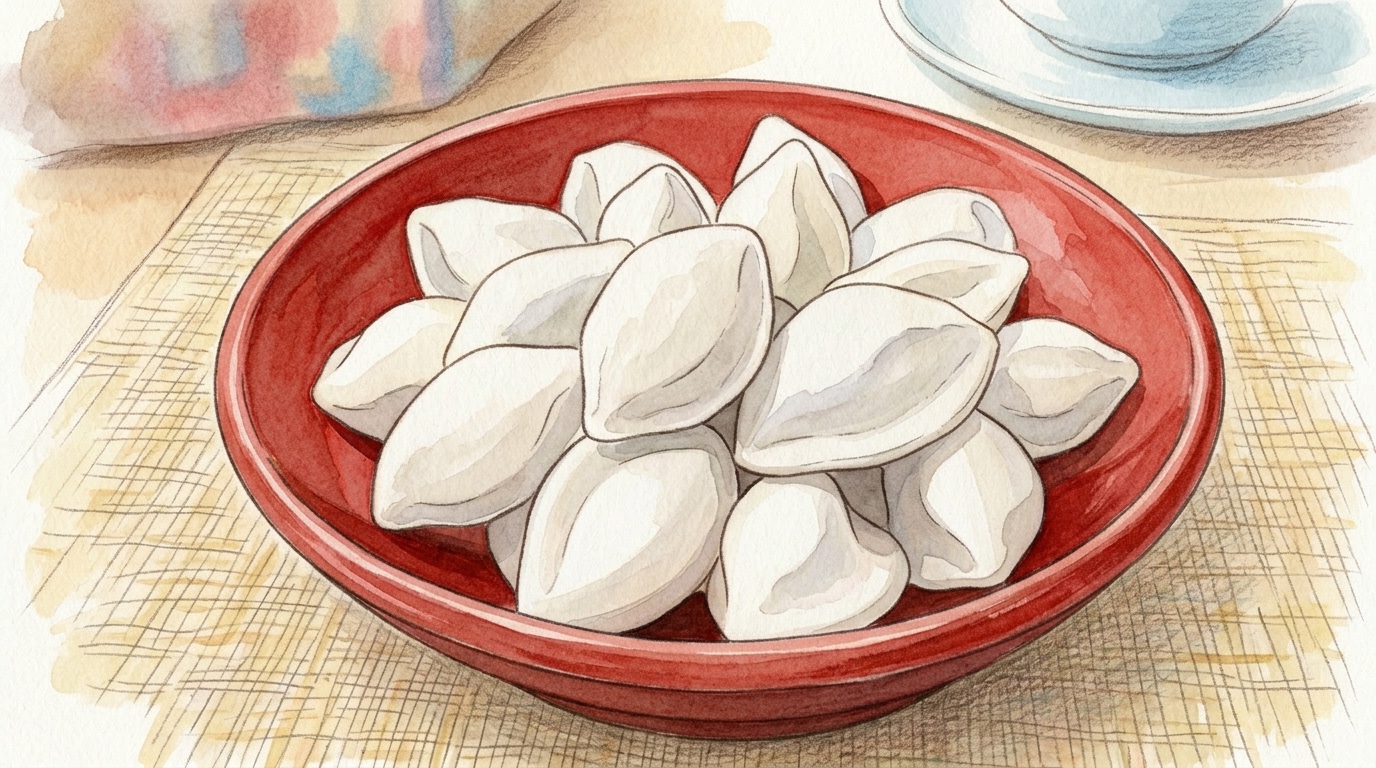
Traditional Korean rice‑flour crescents made from glutinous rice dough, typically prepared for the Chuseok holiday. The dough can be colored with natural ingredients, and the interior contains a sweet filling of toasted sesame seeds, honey, and sugar. Served warm or at room temperature.
Ingredients
- 2 tablespoon rice flour
- 1 teaspoon sesame oil
- 120 g pine needles
- 200 ml water
- 1.5 tablespoon dried mint leaf
- 40 g sesame seeds
- 1.5 tablespoon sugar
- 1 tablespoon honey
- 1 pinch salt
Steps
-
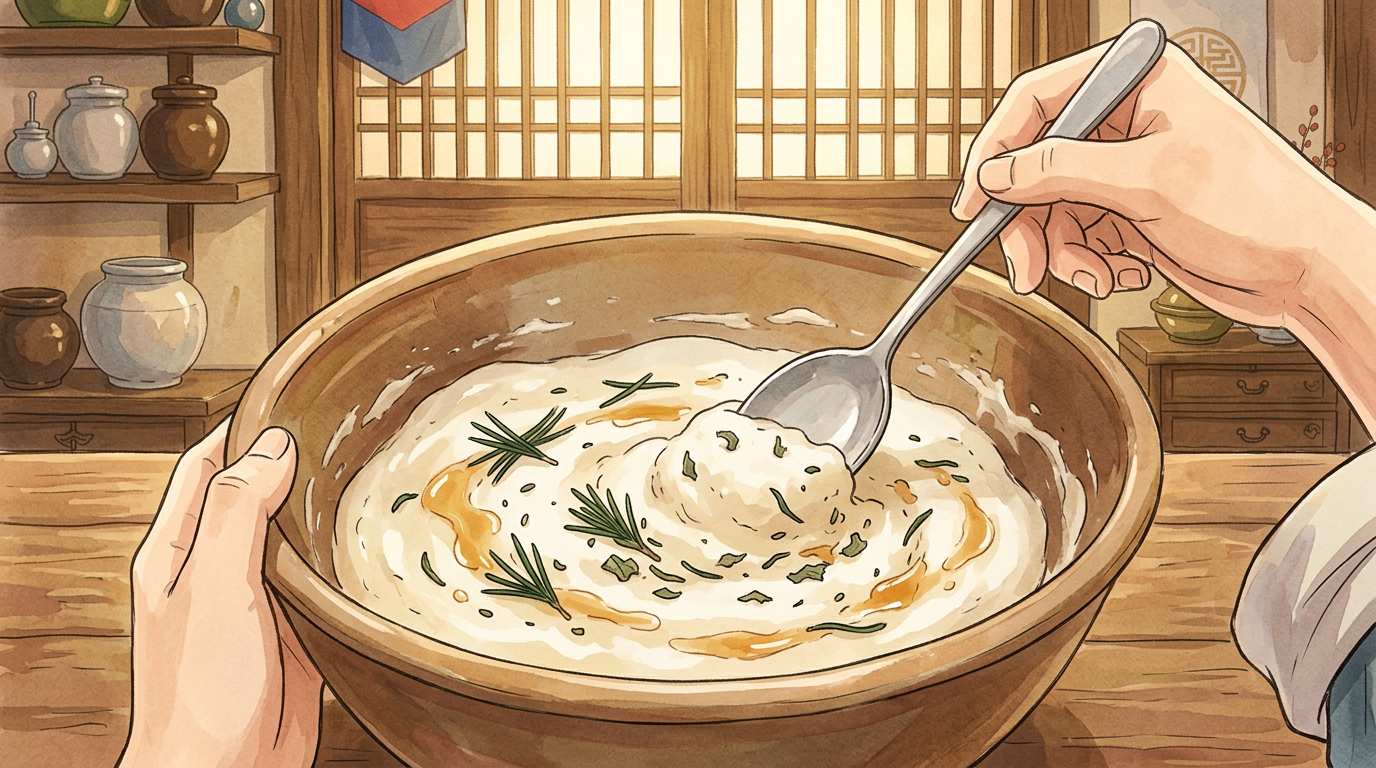
In a large bowl combine rice flour, sesame oil, pine needles, water and dried mint leaf. Quickly stir with a spoon until a slightly warm, homogeneous dough forms.
-
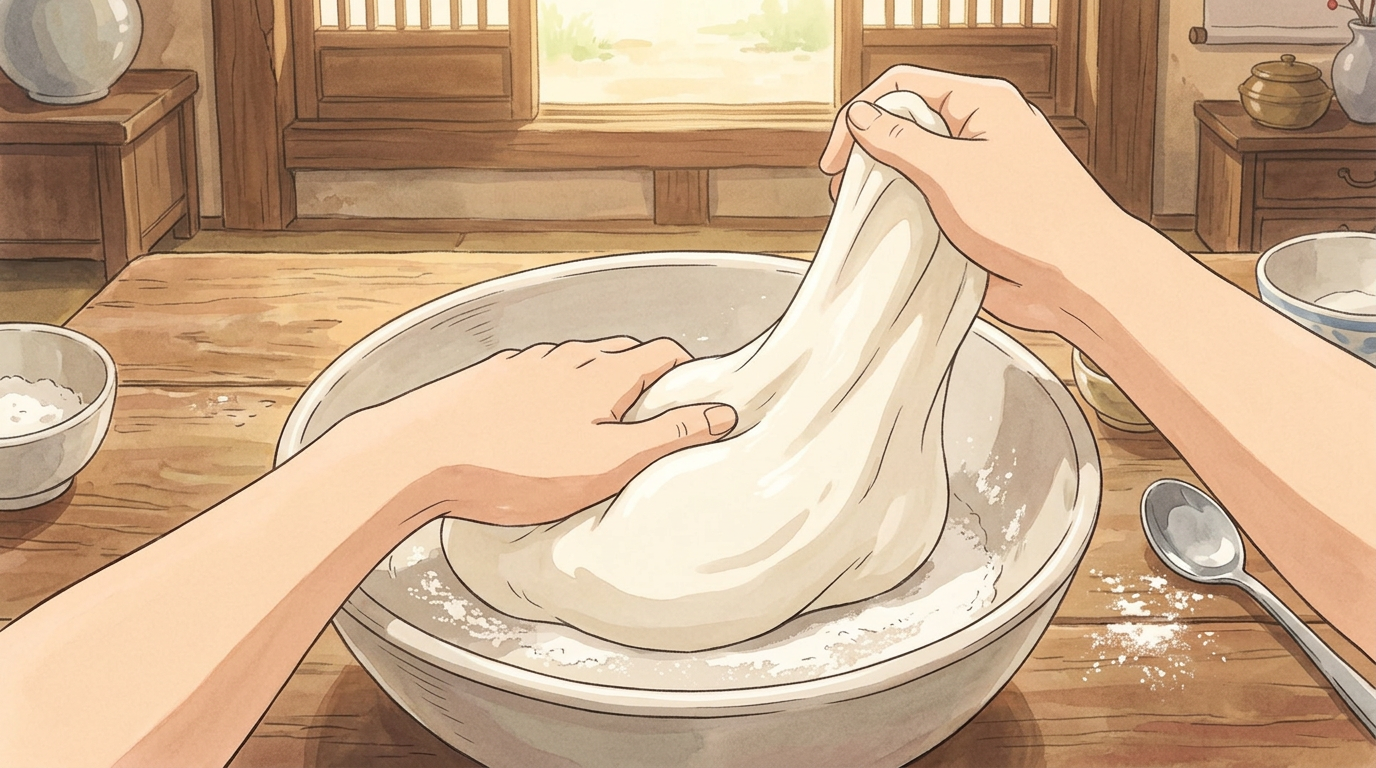
Knead the dough by hand, squeezing and stretching it until smooth and elastic.
-
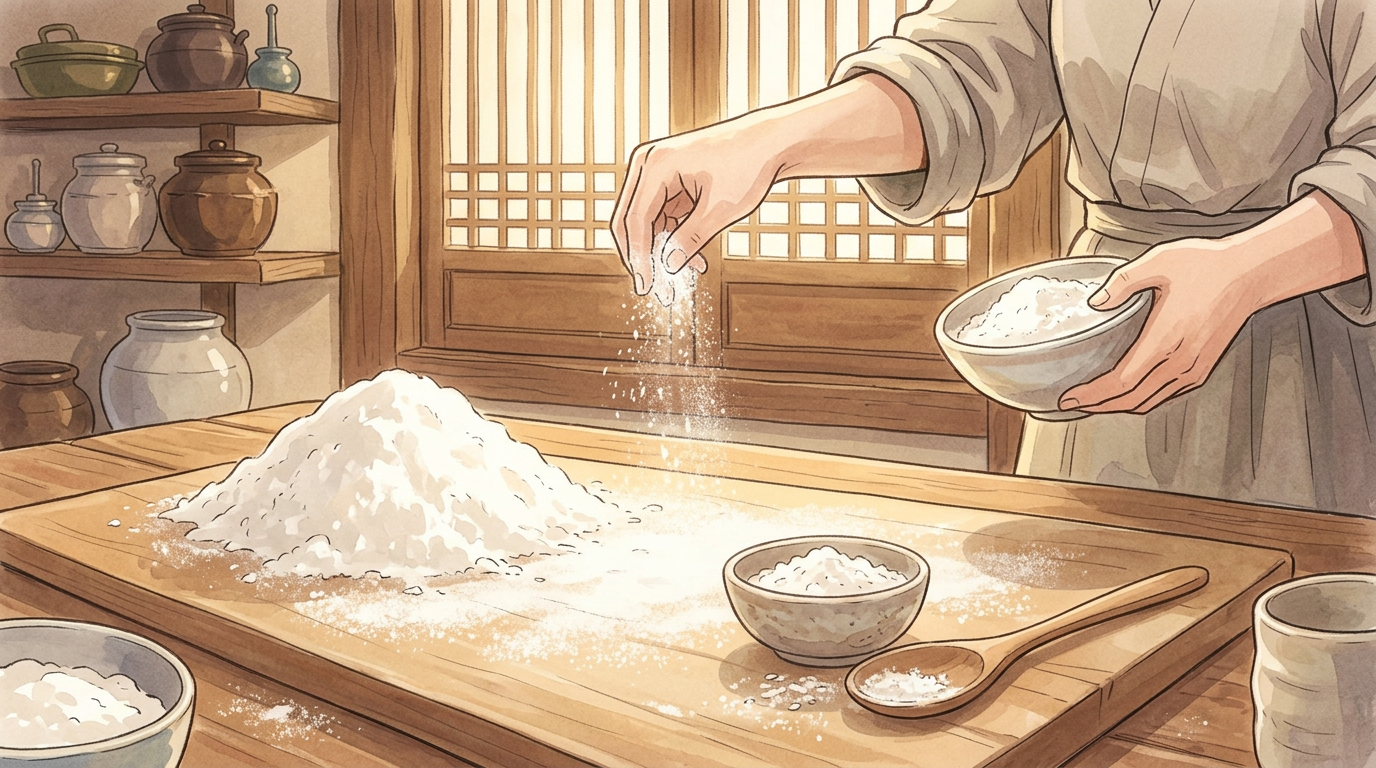
Divide the dough into 16 equal pieces and roll each into a small round disc.
-
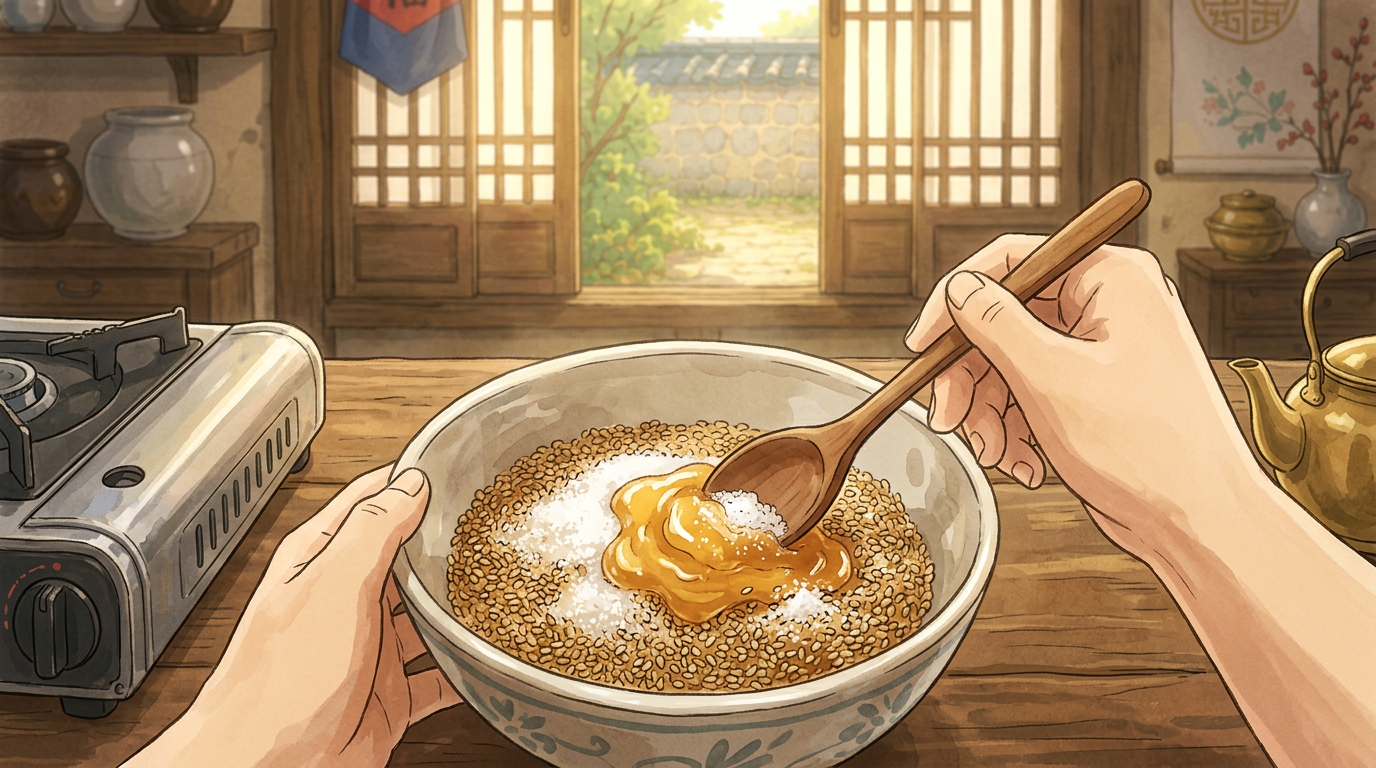
In a separate bowl mix roasted sesame seeds, sugar, honey and a pinch of salt until a uniform filling is obtained.
-
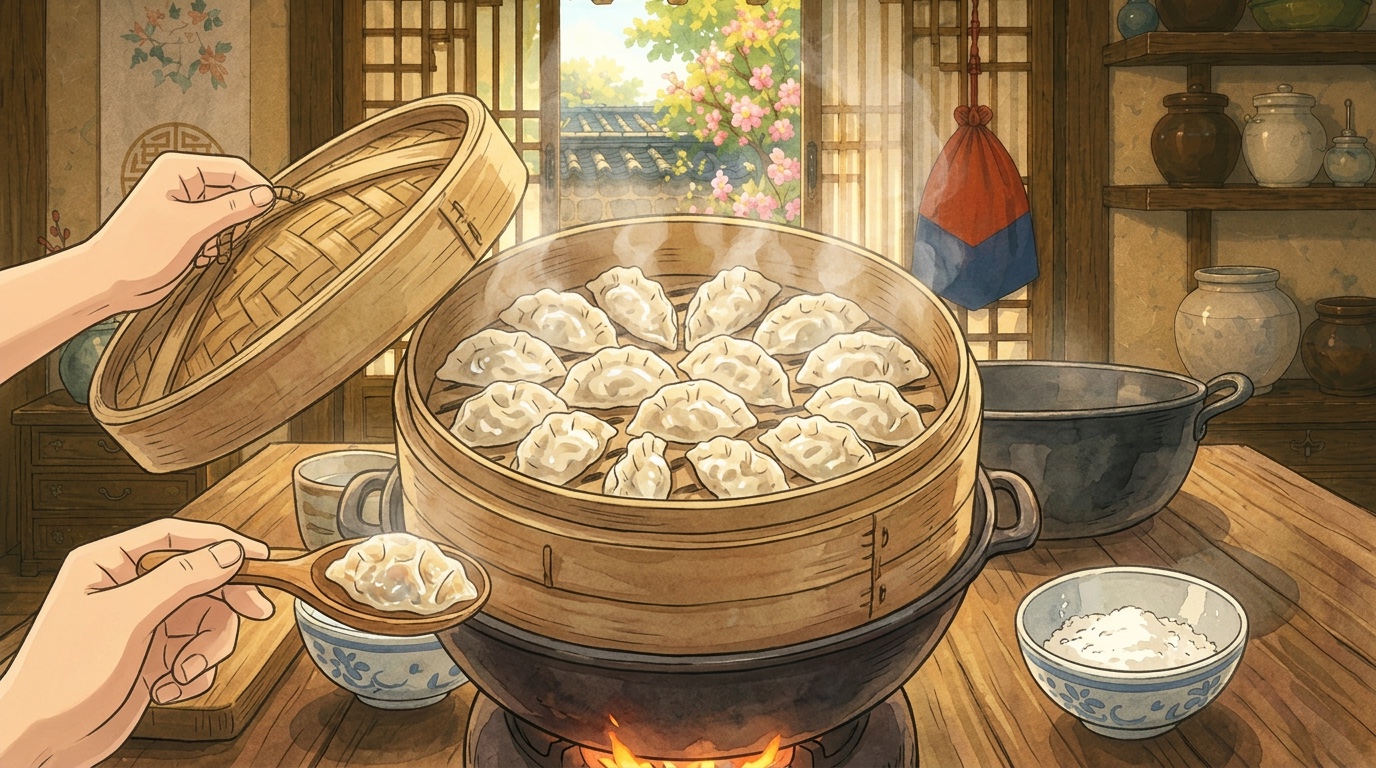
Place a small amount of filling in the center of each disc, fold in half and pinch the edges to form a crescent.
-
Arrange the crescents in a steamer and steam for about 10 minutes, until the dough becomes translucent and slightly springy.
-
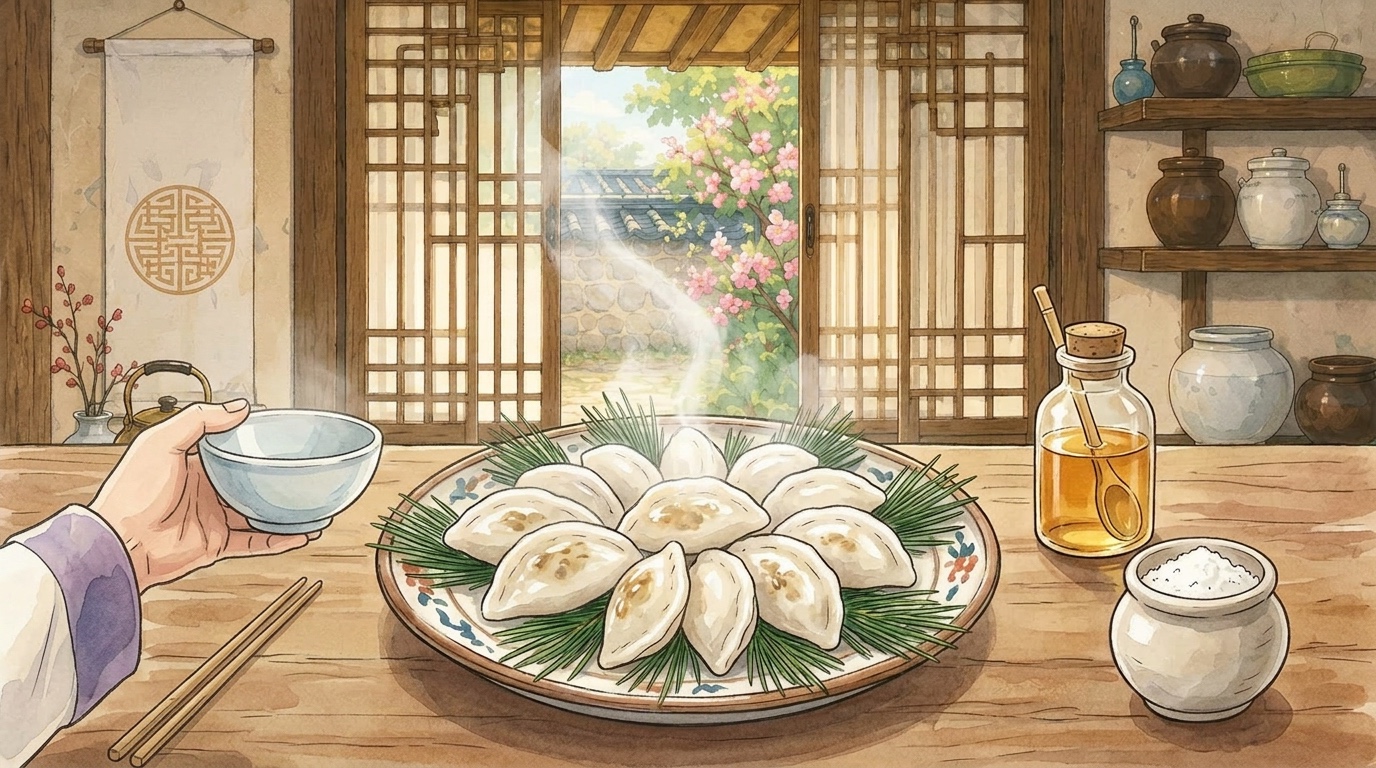
Serve the finished songpyeon warm or at room temperature.
FAQ
What is Songpyeon?
Songpyeon (송편) are traditional Korean crescent-shaped rice cakes made from glutinous rice flour, often filled with sweet ingredients like sesame seeds and honey.
When are Songpyeon typically eaten?
Songpyeon are a staple during Chuseok (추석), the Korean harvest festival, symbolizing a bountiful harvest and good fortune.
What fillings are used in Songpyeon?
Common fillings include toasted sesame seeds, honey, sugar, red bean paste, or chestnut paste. This recipe uses sesame seeds, honey, and sugar.
Can I make Songpyeon at home?
Absolutely! Our Umami Guru recipe provides step-by-step instructions to guide you through making delicious Songpyeon at home.
How do Songpyeon differ from mochi?
While both are rice cakes, Songpyeon are typically steamed and shaped into crescents, often with fillings, and are a Korean tradition. Mochi are Japanese, usually pounded and can be eaten plain or with various fillings.