Datemaki (伊達巻)
Japan
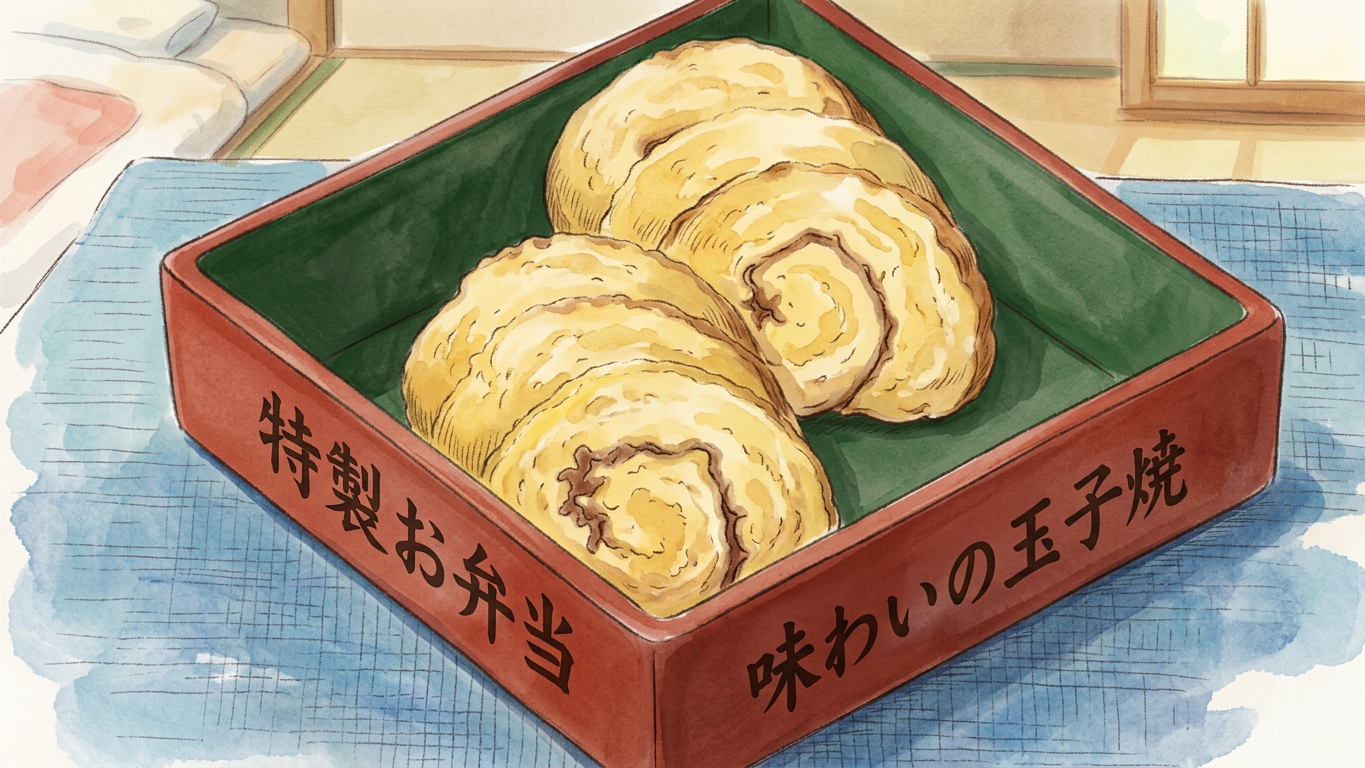
Traditional New Year’s Japanese roll consisting of a delicate omelette with fish paste, rolled into a thin roll. Served sliced into rounds, it symbolizes diligent study and a long life.
Ingredients
- 4 pcs egg
- 60 g white fish
- 1/3 tsp salt
- 4 tbsp sugar
- 1 tbsp potato starch
- 2 tbsp water
- vegetable oil
Steps
-

Remove the skin from the fish, discard the bones, finely chop the flesh and mash it with a knife until it becomes a paste.
-

Add salt, sugar, and potato starch (pre-dissolved in cold water) to the fish paste. Mix well.
-
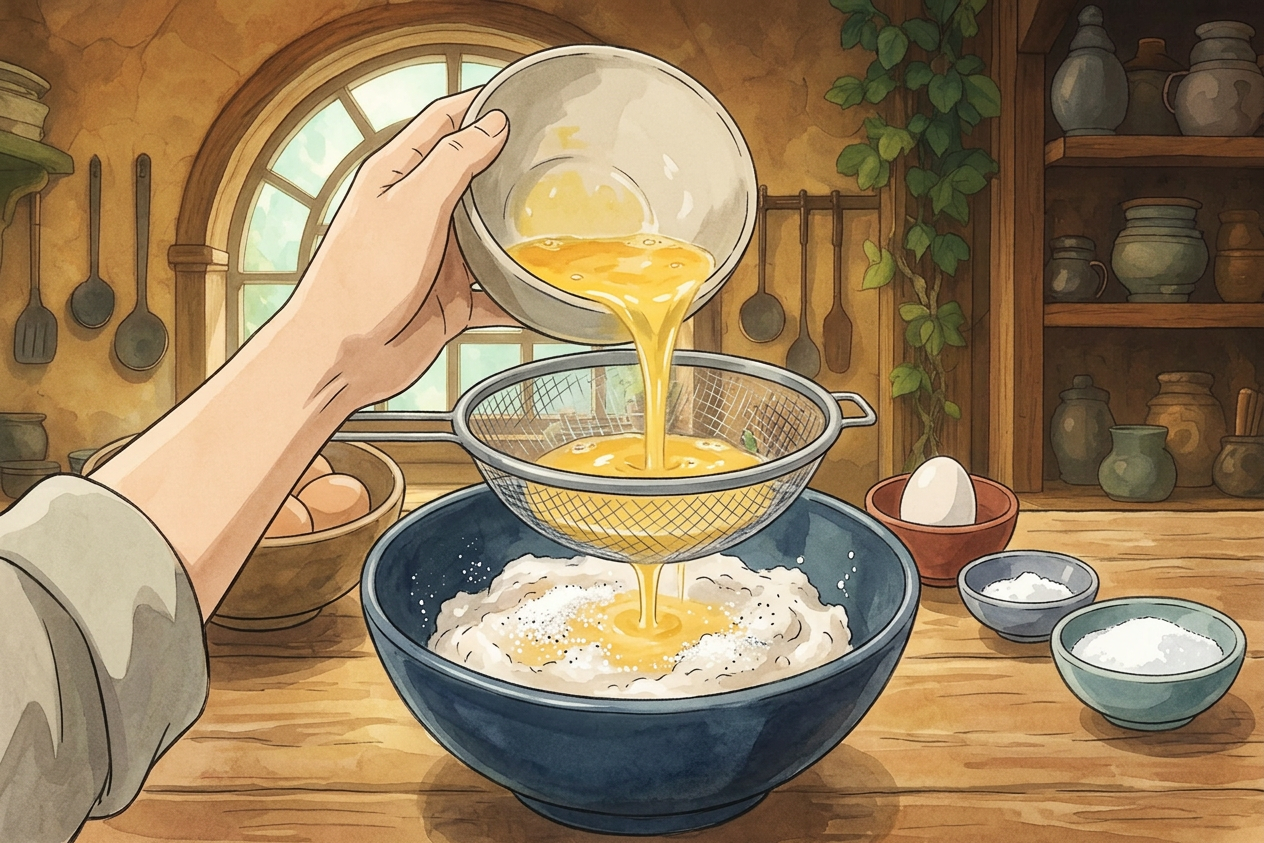
In a separate bowl, beat the eggs, strain through a sieve, then gradually pour the egg mixture into the fish mixture while constantly stirring.
-
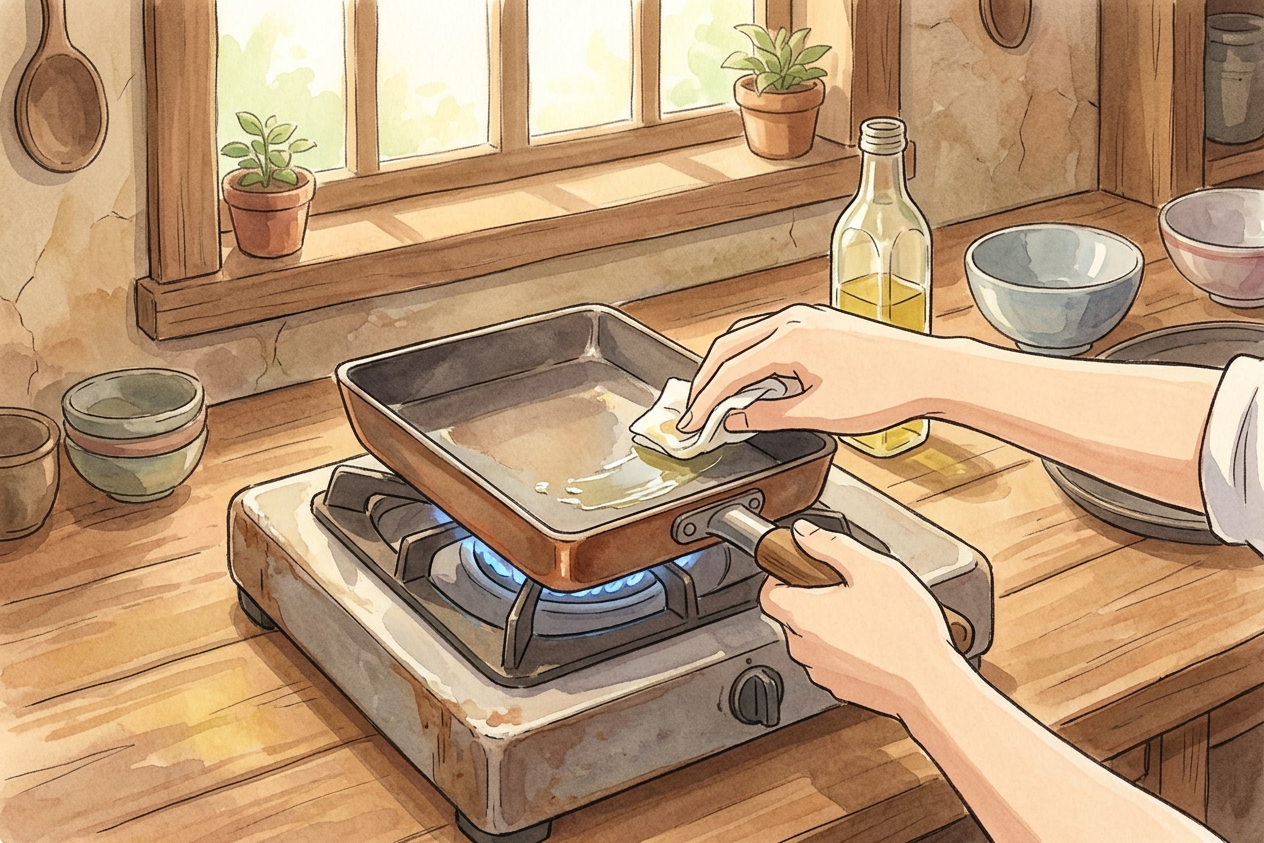
Heat a rectangular (or round) pan, grease it with vegetable oil, pour in the mixture and cover with a lid over low heat for 8–10 minutes, until the bottom of the omelette is browned and the top just sets.
-
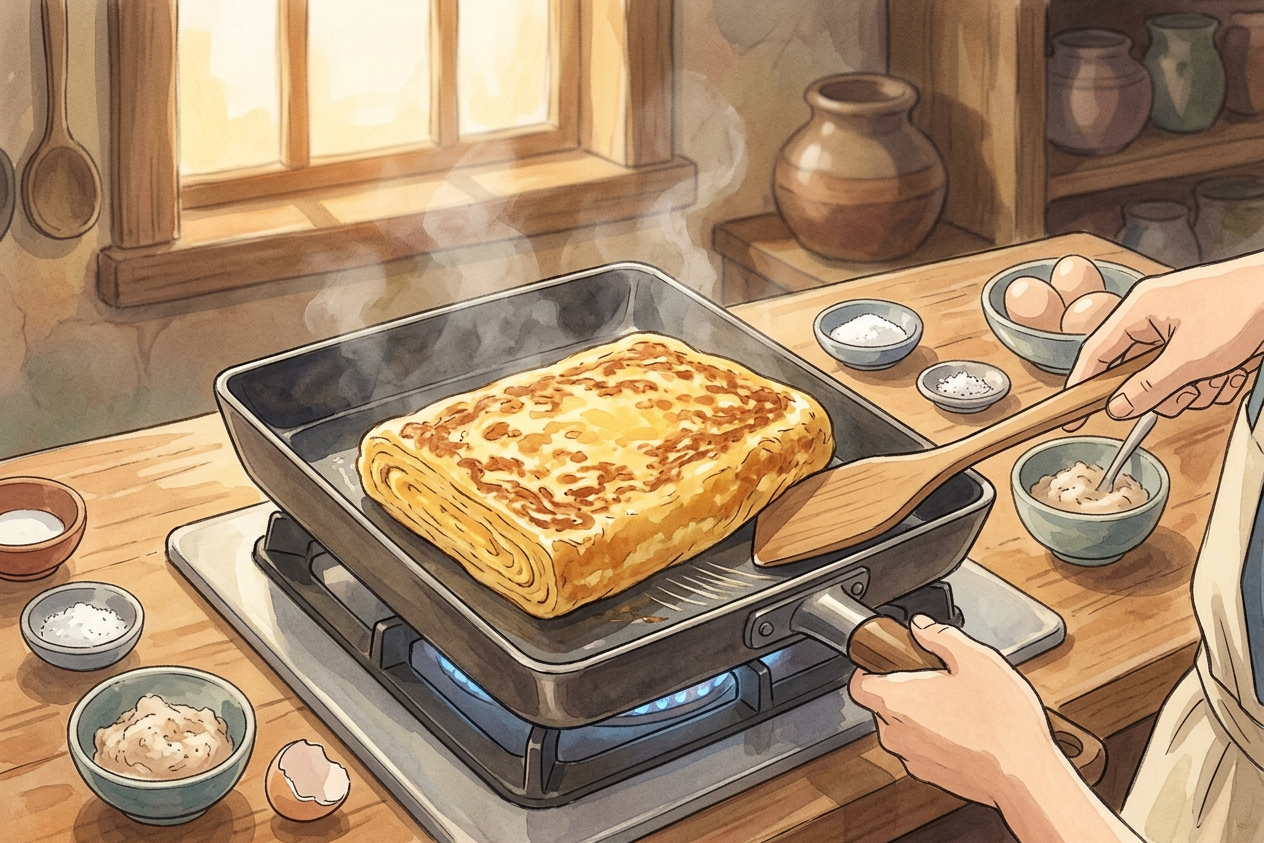
Flip the omelette and fry the other side uncovered for about 3 minutes until golden‑brown.
-

Remove the omelette, shape it into a rectangle if needed, place it on an oiled flat plate, then return it to the pan and quickly sear the other side.
-

Cool the roll at room temperature, slice into rounds about 1 cm thick, and serve.
FAQ
What is Datemaki (伊達巻)?
Datemaki is a sweet, savory, and fluffy Japanese rolled omelet, typically enjoyed as part of Osechi Ryori (New Year's food) for good fortune.
Can I make Datemaki without a special rolling mat?
Yes, you can use a clean kitchen towel or parchment paper to help roll the omelet tightly into its characteristic shape.
How long does Datemaki last and how should I store it?
Datemaki can be stored in an airtight container in the refrigerator for up to 3-4 days. It's often served chilled or at room temperature.
What can I substitute for white fish paste in Datemaki?
While fish paste (hanpen or surimi) is traditional, some variations use shrimp or even silken tofu for a different texture and flavor. Umami Guru's AI assistant can help suggest alternatives.
Why is Datemaki eaten during Japanese New Year?
Datemaki symbolizes a wish for diligent study and cultural prosperity, as its rolled shape resembles ancient scrolls or documents.